Why an Active Senior Lifestyle Matters Now More Than Ever
An active senior lifestyle is more than just staying busy—it's about building a life rich in purpose, connection, and independence during your golden years. Here's what defines this approach to aging well:
- Physical vitality through gentle movement and wellness activities
- Mental engagement via lifelong learning and brain-stimulating pursuits
- Social connection that combats loneliness and builds community
- Freedom from home maintenance burdens
- Access to amenities that support your interests and well-being
- Flexible living options that adapt as your needs evolve
After dedicating decades to raising families and building careers, many adults find themselves at a crossroads. The house feels too large. The yard demands too much time. The question becomes: What do I want this next chapter to look like?
Research from the World Health Organization shows that staying engaged and taking a proactive approach to health leads to a higher quality of life in later years. It's not about managing decline—it's about embracing possibility. An active senior lifestyle means continuing to participate in what matters most to you, whether that's cultural pursuits, spiritual practices, social gatherings, physical activities, or intellectual challenges.
The benefits are clear. Regular physical activity improves balance and mobility while reducing fall risk. Mental stimulation—like learning a new skill—improves memory function. And perhaps most powerfully, strong social networks combat isolation, boost self-esteem, and encourage healthier habits.
But staying active doesn't mean doing it alone. More seniors are finding that the right environment can actually expand their options rather than limit them. When home maintenance, yard work, and repairs are no longer daily concerns, time opens up for what you actually enjoy.
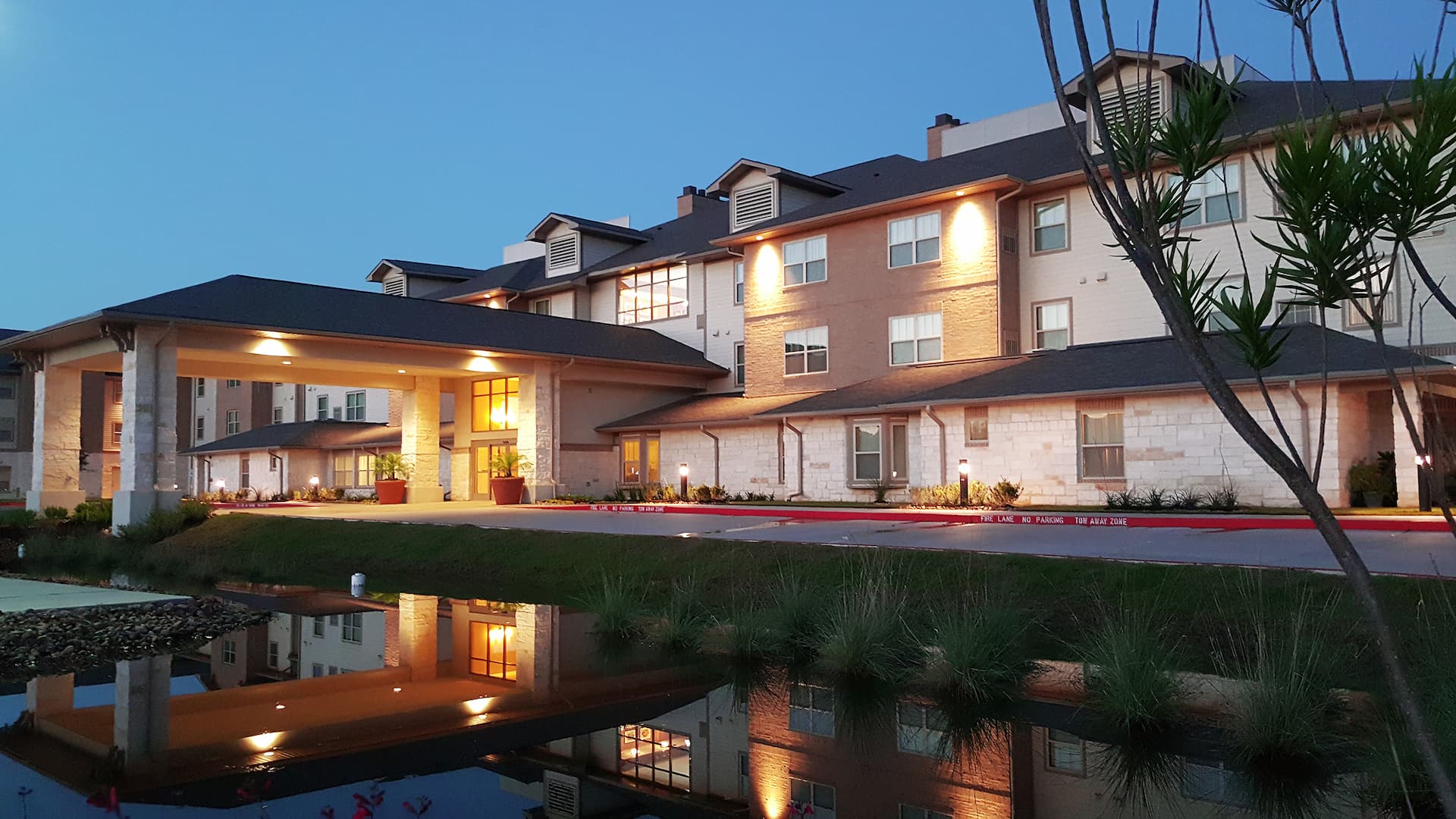
We spent more than two decades helping people understand how the right environment supports an active senior lifestyle. At Resort Lifestyle Communities, we've seen how removing the burden of homeownership allows adults to reclaim their time and energy for what truly matters.
Embracing the Active Senior Lifestyle
We believe that life doesn't shrink with age—it shifts. It becomes a chance to simplify, an opportunity to reclaim time, and a period to refine. An active senior lifestyle is about making deliberate choices that support your well-being, foster your passions, and expand your horizons. It’s about redefining what retirement means, moving beyond mere "senior care" to a life brimming with potential.
For us, an active senior lifestyle is defined by the freedom to pursue your interests, maintain your independence, and connect with a vibrant community of like-minded individuals. It’s about living in a way that feels purposeful and fulfilling, where the mundane burdens of daily life are lifted, allowing you to truly thrive. This approach to living is rapidly becoming the biggest trend in retirement living, precisely because of its appeal to those who see their golden years as an exciting new chapter.
This isn't just a philosophy; it’s a pathway to tangible benefits. Regular exercise, for instance, is a cornerstone of healthy aging, leading to better fitness, greater strength, improved flexibility, and an improved sense of well-being. Coupled with a diet rich in fruits, vegetables, and lean proteins, we can significantly impact our overall health. But it extends beyond the physical; staying mentally and socially active is equally crucial for our health, as is quality sleep.
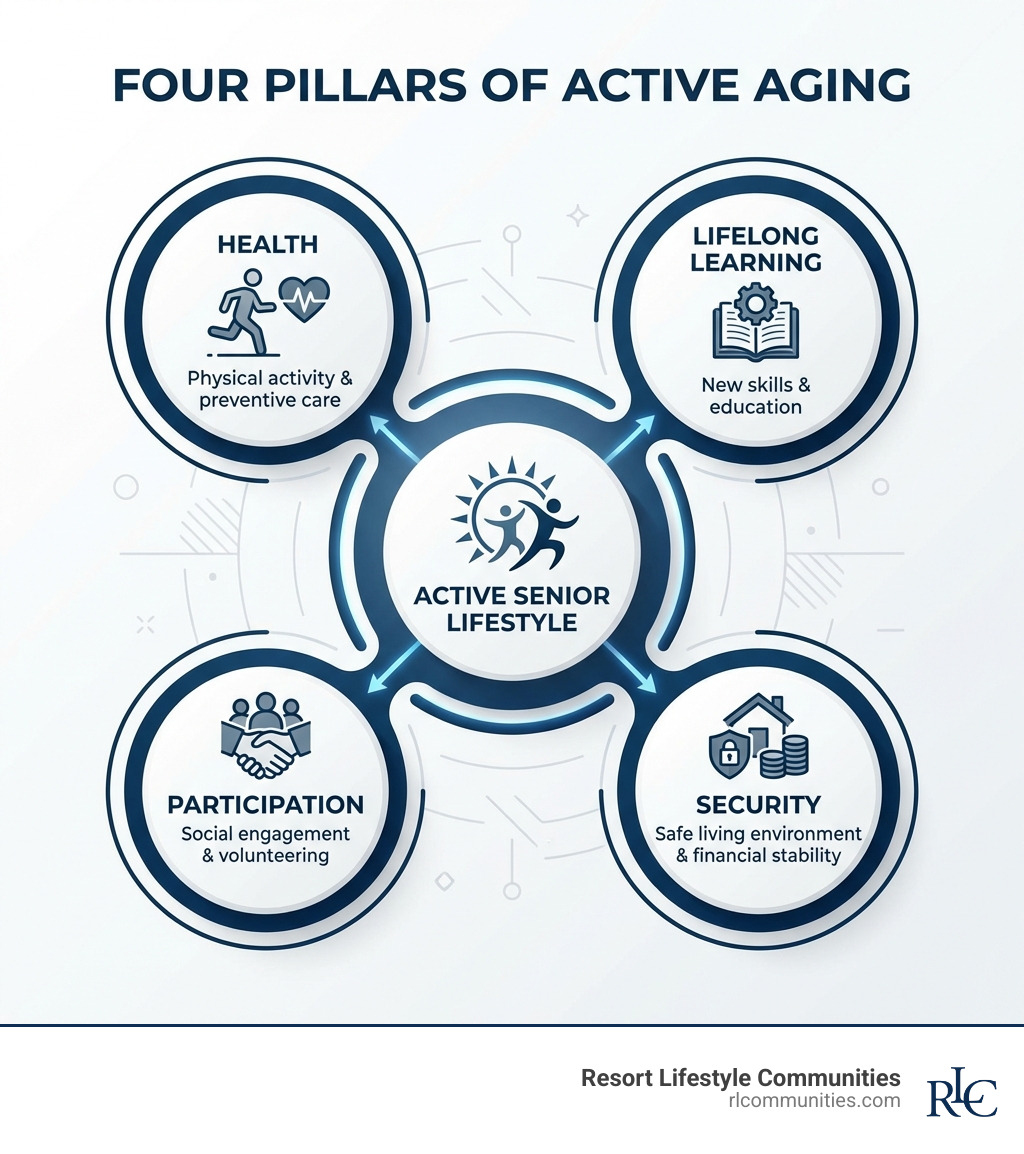
The World Health Organization (WHO) identifies four key pillars that underpin this vibrant approach to life, forming a robust, active-aging framework that guides us toward a higher quality of life.
The Pillars of an Active Senior Lifestyle
To truly embrace an active senior lifestyle, we look to the World Health Organization's framework, which outlines four essential pillars: health, lifelong learning, participation, and security. These pillars don't just support longevity; they enrich every day, ensuring our lives remain full and meaningful. Research confirms that actively engaging with these pillars can significantly impact our well-being and even our survival, as detailed in studies like The WHO active ageing pillars and survival.
- Health: This pillar encompasses both physical and mental well-being. It’s about taking a proactive approach to our health through regular physical activity, balanced nutrition, and preventive care. For adults aged 65 and up, aiming for at least 2.5 hours of physical activity each week is a vital recommendation. It's about choosing movement that we enjoy, whether it's daily walks, gardening, or group fitness classes, to build strength, improve mobility, and improve balance.
- Lifelong Learning: The journey of learning doesn't end with retirement; it merely changes its focus. This pillar encourages us to keep our minds sharp by engaging in intellectually stimulating activities. Learning a new skill, participating in workshops, or joining discussion groups can significantly improve memory function and cognitive health. It’s about curiosity and growth, ensuring our minds remain as active as our bodies.
- Participation: Staying engaged with our communities and social circles is fundamental to an active senior lifestyle. This pillar emphasizes the importance of social connections, whether through volunteering, joining clubs, or simply sharing meals with friends. It’s about contributing our wisdom and experience, fostering a sense of belonging, and combating the isolation that can sometimes accompany aging.
- Security: A sense of security is foundational to peace of mind. This pillar involves having a safe and stable living environment, financial stability, and protection from exploitation, all while being treated with dignity and respect. It’s about building a foundation that allows us to live without undue worry, knowing our needs are met, and our well-being is protected.
By consciously integrating these four pillars into our daily lives, we can cultivate an active senior lifestyle that is not only fulfilling but also resilient and joyful.
Nurturing the Body and Mind
Our physical and mental health are inextricably linked, forming the bedrock of an active senior lifestyle. We believe in a holistic approach that nurtures both, allowing us to enjoy each day to the fullest.
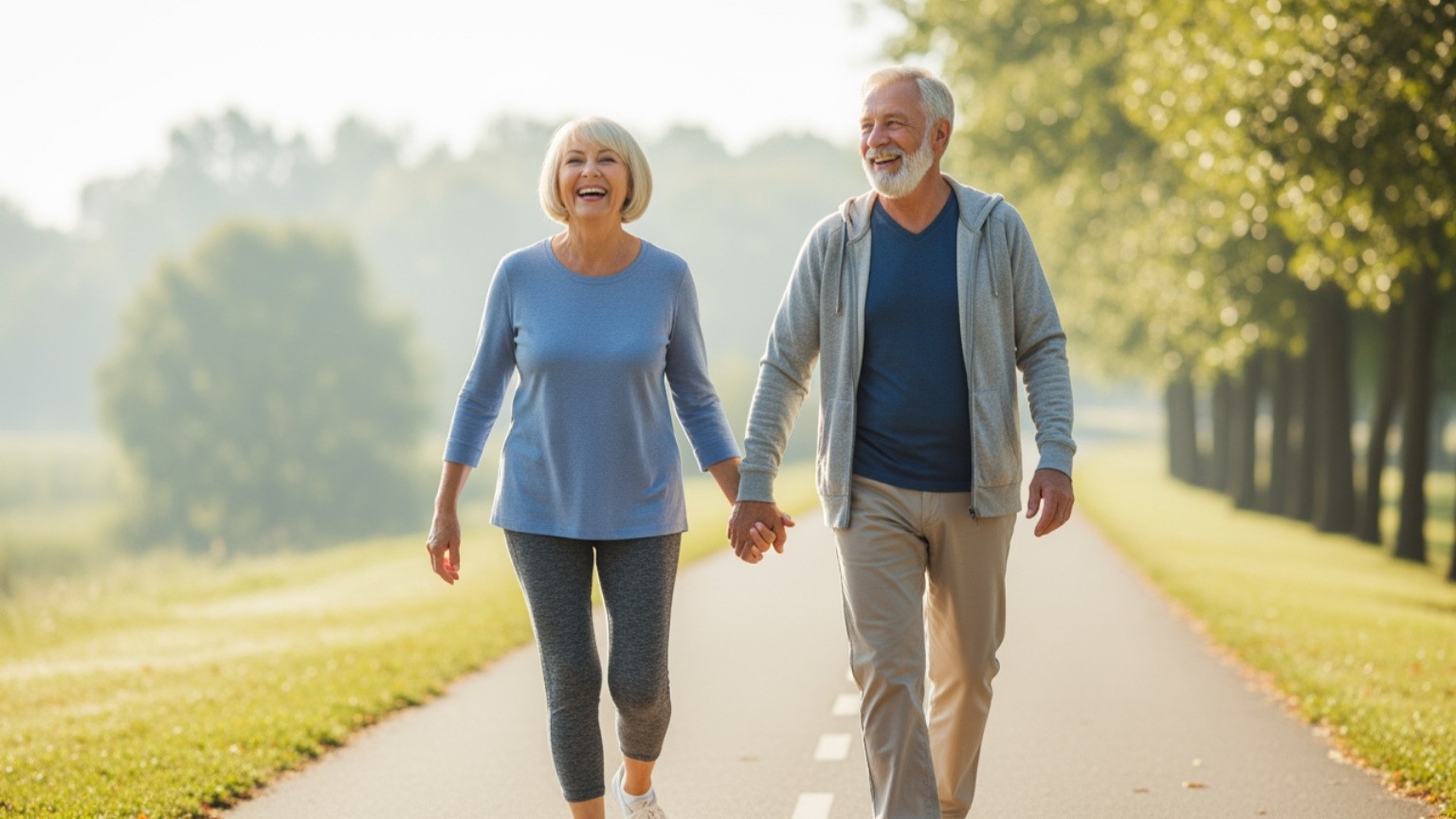
Gentle Movement: Regular physical activity is incredibly important for healthy aging. It's not about strenuous workouts, but consistent, enjoyable movement. Even short bursts of activity, like 1-2 minutes of movement every hour, can positively impact our health. Activities such as walking, swimming, yoga, Tai Chi, strength training, and dancing are excellent choices. They improve fitness, build strength, improve flexibility, and contribute to an overall sense of well-being. For those needing a bit more motivation, research shows that resistance training reduces depression and anxiety, while also boosting self-esteem and emotional well-being.
Wholesome Meals: Good nutrition fuels our bodies and minds. Eating a balanced, nutritious diet supports our overall health and helps prevent age-related conditions. The Mediterranean diet, with its focus on fresh fruits and vegetables, lean proteins, and healthy fats, is a popular option known to promote heart health and reduce the risk of sudden cardiac death. We encourage choices that nourish us from within, supporting our energy levels and vitality.
Brain Fitness: Our cognitive health is a vital part of aging that we should never overlook. After retirement, it can be easy to fall into routines that don't challenge our brains. However, staying mentally active is crucial. Research indicates that learning a new skill can enhance memory function. Whether it's picking up a new language, mastering a musical instrument, solving puzzles, or engaging in stimulating discussions, keeping our minds engaged helps us maintain mental acuity and enjoy a richer cognitive life.
Stress Management: Too much stress can affect the body’s response to inflammation, which can lead to various age-related health conditions like diabetes, arthritis, dementia, and cancer. Learning to manage stress through practices such as meditation, developing a consistent sleep routine, or engaging in relaxing hobbies is essential to our overall well-being.
The Power of Social Connection
We are inherently social beings, and as we steer our golden years, the power of connection becomes even more profound. An active senior lifestyle thrives on meaningful relationships and a strong sense of community.
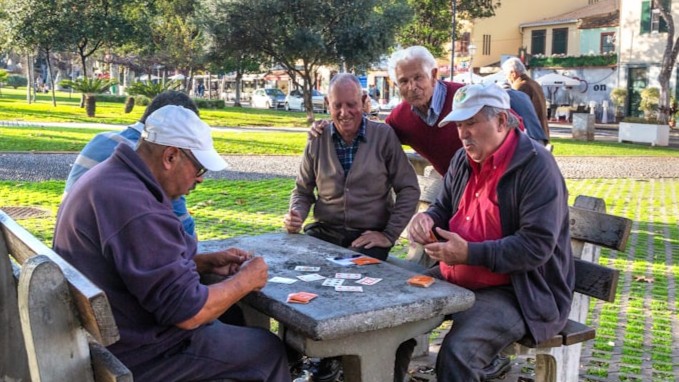
Combating Loneliness: Social isolation and loneliness can have serious impacts on our mental and physical health. Fortunately, seniors who can make new friends or reconnect with old ones often experience a more upbeat mood and better overall well-being. A 2015 study on social network growth found that making new friends can boost a senior’s self-esteem, increase access to social resources, and even encourage more physical activity.
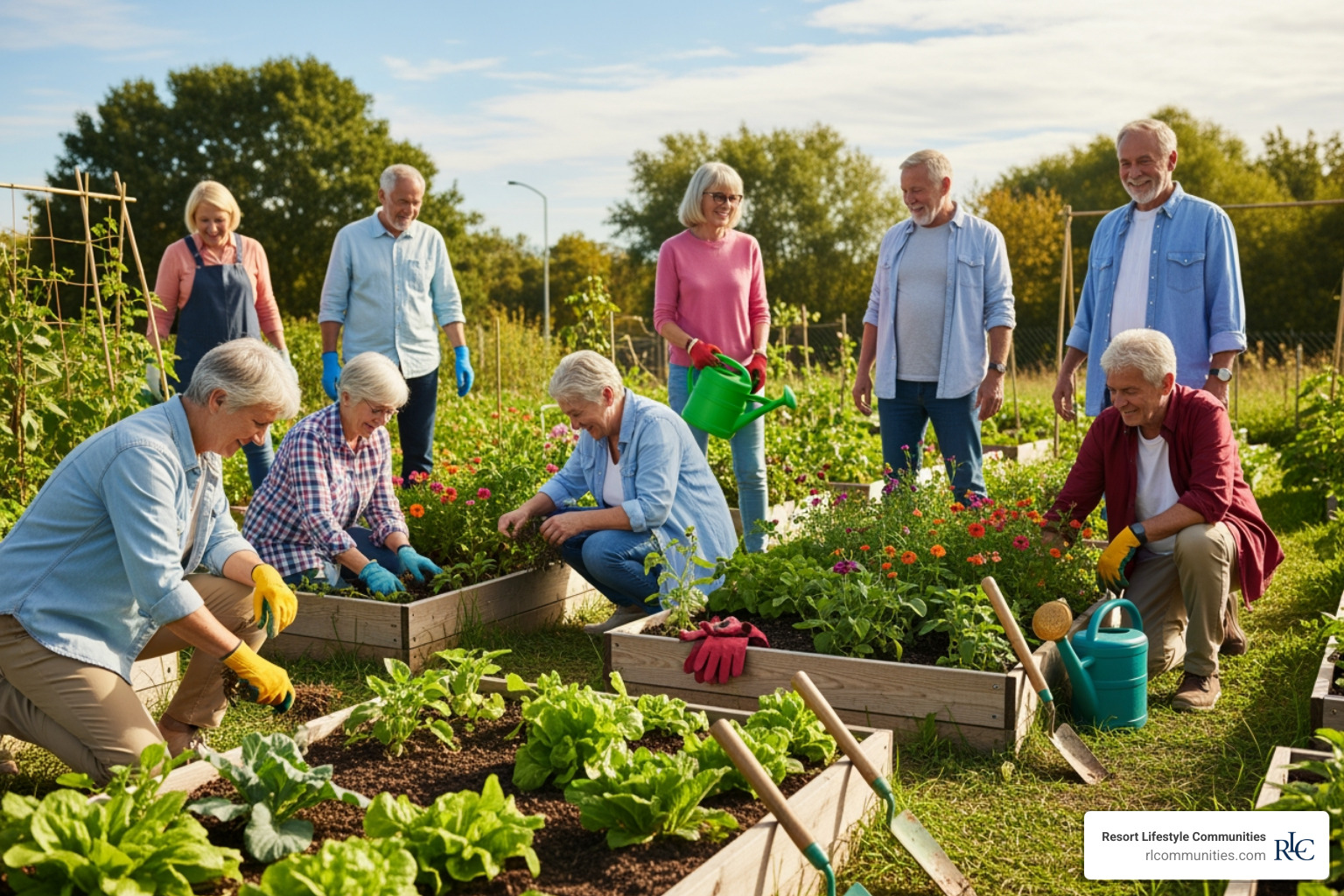
Mentorship and Shared Experiences: Our years of experience and wisdom are invaluable. Many seniors find immense satisfaction in mentoring younger generations or simply sharing their stories and insights. Whether through formal programs like Big Brothers, Big Sisters, or informal gatherings with neighbors, these connections enrich not only our lives but also those of the people we touch. Working in a community garden, joining a book club, or participating in group excursions are wonderful ways to connect with others who share our interests.
Volunteer Opportunities: Giving back to the community is a powerful way to foster a sense of purpose and belonging. Volunteering offers significant mental health benefits, including reduced loneliness, stress, and depression, while increasing happiness. It’s an opportunity to use our skills, learn new ones, and contribute to causes we care about, all while building new friendships.
Living among peers in a vibrant community can naturally enrich our lives, making it easier to forge friendships and engage in shared activities. These daily opportunities for connection are invaluable in fostering a sense of belonging and combating loneliness.
Finding Your Place in a Vibrant Community
As we accept the concept of an active senior lifestyle, the question often arises: Where is the best place to live out this vibrant new chapter? For many, the answer lies in communities specifically designed to support this way of life. Imagine a place where worries about home upkeep, lawn care, appliance maintenance, and repairs are simply a memory. This maintenance-free living offers profound peace of mind, freeing up your time and energy for what truly matters to you.
We believe that your living environment should empower your choices, improve your comfort, and provide the ultimate peace of mind. That’s why communities like ours are designed to be more than just a place to live—they are vibrant hubs of activity, connection, and growth. They offer the best in retirement living, creating a community of like-minded people who share a desire for an active, fulfilling life while removing many of the mundane burdens of traditional homeownership. You can explore more info about lifestyle options to see how this can transform your daily life.
Creating Your Ideal Active Senior Lifestyle
When we talk about an active senior lifestyle, we often envision independent living environments. These communities are specifically designed for healthy and active seniors who can live independently, often without the burdens of homeownership, but who still desire community and opportunities to stay healthy and engaged. They are for those who are ready to enjoy an active retirement with no restrictions and seek a vibrant, active lifestyle.
Independent living allows us to maintain our autonomy while benefiting from a supportive and engaging environment. It’s about having your own private apartment or home within a larger community, with access to a wide array of amenities and services. This differs significantly from 55-plus communities, which primarily offer age-restricted housing without necessarily providing comprehensive services, or assisted living, which caters to those needing daily personal care.
Here’s a look at some key features we find in independent living environments that foster an active senior lifestyle:
| Feature | Description |
|---|---|
| Maintenance-free living | An active lifestyle is much easier to maintain when daily chores don’t drain your energy. In a community setting, routine tasks like home upkeep, landscaping, and many “to-do list” hassles are handled for you, freeing up time for walking groups, fitness classes, hobbies, and social events. The goal is simple: fewer obligations, more options. |
| Wellness opportunities built into the week | Staying active doesn’t require marathon training. What matters most is consistency: gentle movement, strength work, balance, and mobility. Many senior-focused communities make it easier to maintain consistency by offering on-site wellness spaces and a calendar of activities that support healthy routines. Research also suggests resistance training can support mental health, including depressive symptoms, which adds another reason to keep strength training on the schedule. |
| Food that supports energy and health | You can’t out-exercise a poor routine. Chef-prepared meals and flexible dining options can make it easier to eat balanced, satisfying food without the daily burden of shopping, chopping, and cleaning. When nourishing meals are readily available, it’s easier to maintain stable energy levels and stay engaged in the activities you enjoy. |
| Social connection (the underrated “health habit”) | Physical activity is important, but so is belonging. Regular opportunities to meet people, share meals, join clubs, and participate in group activities can reduce loneliness and make healthy habits stick. Social ties often grow when there are repeated chances to interact, and those connections can become a powerful driver of motivation, accountability, and joy. |
| Lifelong learning and purpose | Active aging isn’t only about movement; it’s also about keeping your mind engaged. Learning a new skill can support memory function, and having purposeful outlets (such as volunteering, mentoring, or leading a club) can help many older adults feel grounded and energized. The best communities make it easy to say “yes” to new interests without needing to plan everything yourself. |
| Independence with support when you want it | Independence doesn’t mean doing everything alone. The most sustainable version is choosing what you handle and what you delegate. Concierge-style support and community resources can remove friction from daily life, so you can focus on what gives you freedom: movement, friendships, creativity, and time outside your four walls. |
| Flexible lifestyle and travel-friendly living | If you want to explore new places, visit family, or simply change scenery, a community lifestyle can make travel feel less stressful. With a more “lock-and-leave” environment and built-in social opportunities, you can keep an active rhythm at home while still making room for adventure. |
| Clear planning and fewer financial surprises | Peace of mind matters. Simple pricing structures and transparent options can reduce the mental load of managing a home and planning for the future. When you’re not constantly worrying about unexpected costs or maintenance emergencies, it’s easier to invest your attention in wellness, relationships, and the everyday experiences that make life feel full. |
Independent Living: Where Lifestyle and Freedom Meet
Independent living communities are thoughtfully designed to ensure retirement feels expansive — not restrictive. Instead of managing a house, scheduling repairs, or worrying about yard work, you wake up knowing your time is truly your own.
Your home remains private and personal — your furniture, your décor, your routines — but the responsibilities shift. Maintenance is handled. Dining is prepared. Transportation is available. Security is built in. What replaces those daily obligations is space: space to move, to connect, to learn, to rest.
In the right environment, the four pillars of an active senior lifestyle naturally come together:
-
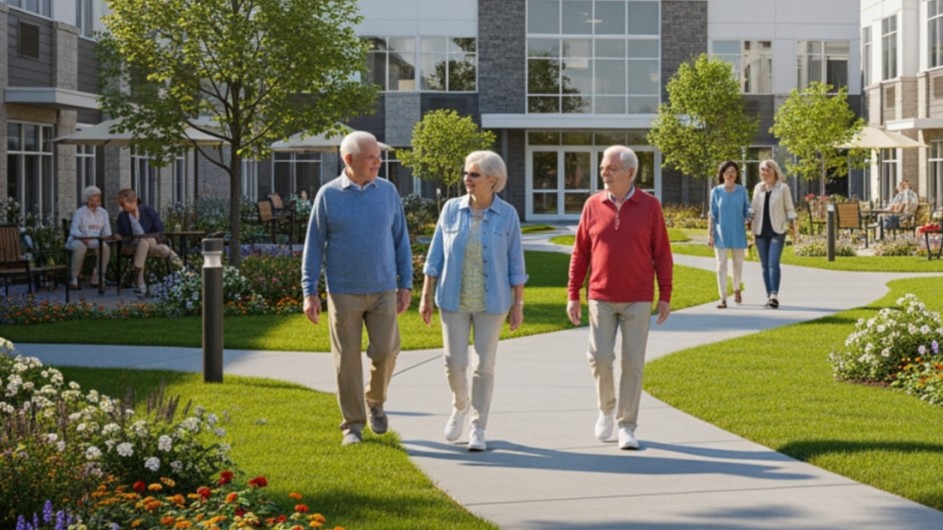
Health through accessible fitness programs, walking paths, and wellness initiatives
-
Lifelong learning through lectures, clubs, creative workshops, and new experiences
-
Participation through social gatherings, volunteer opportunities, and shared meals
-
Security through predictable costs, on-site staff, and a thoughtfully designed community
This is not about doing more. It’s about living better.
The Shift That Changes Everything
Many adults tell us the same thing: They didn’t realize how much energy homeownership required until they no longer had to manage it. Snow removal. Lawn care. Appliance repairs. Roof concerns. Property taxes. Each one is small on its own — but together, they quietly consume time and mental bandwidth.
When those concerns disappear, something shifts. Morning walks become longer. Conversations linger. New friendships form more easily.
Opportunities feel lighter and more accessible. An active senior lifestyle isn’t about adding more to your calendar. It’s about removing what no longer serves you.
A Lifestyle Designed to Evolve With You
One of the most reassuring aspects of modern independent living is flexibility. You maintain autonomy. You choose your schedule.
You decide how engaged or relaxed each day will be. And if your needs evolve over time, many communities offer optional third-party in-home care — meaning you can remain in familiar surroundings while receiving additional support if needed.
That continuity matters. Stability matters. Community matters. An environment designed around independence gives you the confidence to plan not just for today — but for the years ahead.
Redefining What Retirement Can Be
Retirement is no longer defined by slowing down. It’s defined by intention. It’s choosing meaningful movement. It’s saying yes to learning something new. It’s sharing meals, laughter, and stories. It’s having the energy to participate in what brings you joy.
An active senior lifestyle isn’t a trend. It’s a mindset — supported by the right environment. And when home maintenance fades into the background, and connection moves to the forefront, life doesn’t shrink. It expands.