Why Art Therapy for Seniors is More Than Just a Creative Hobby
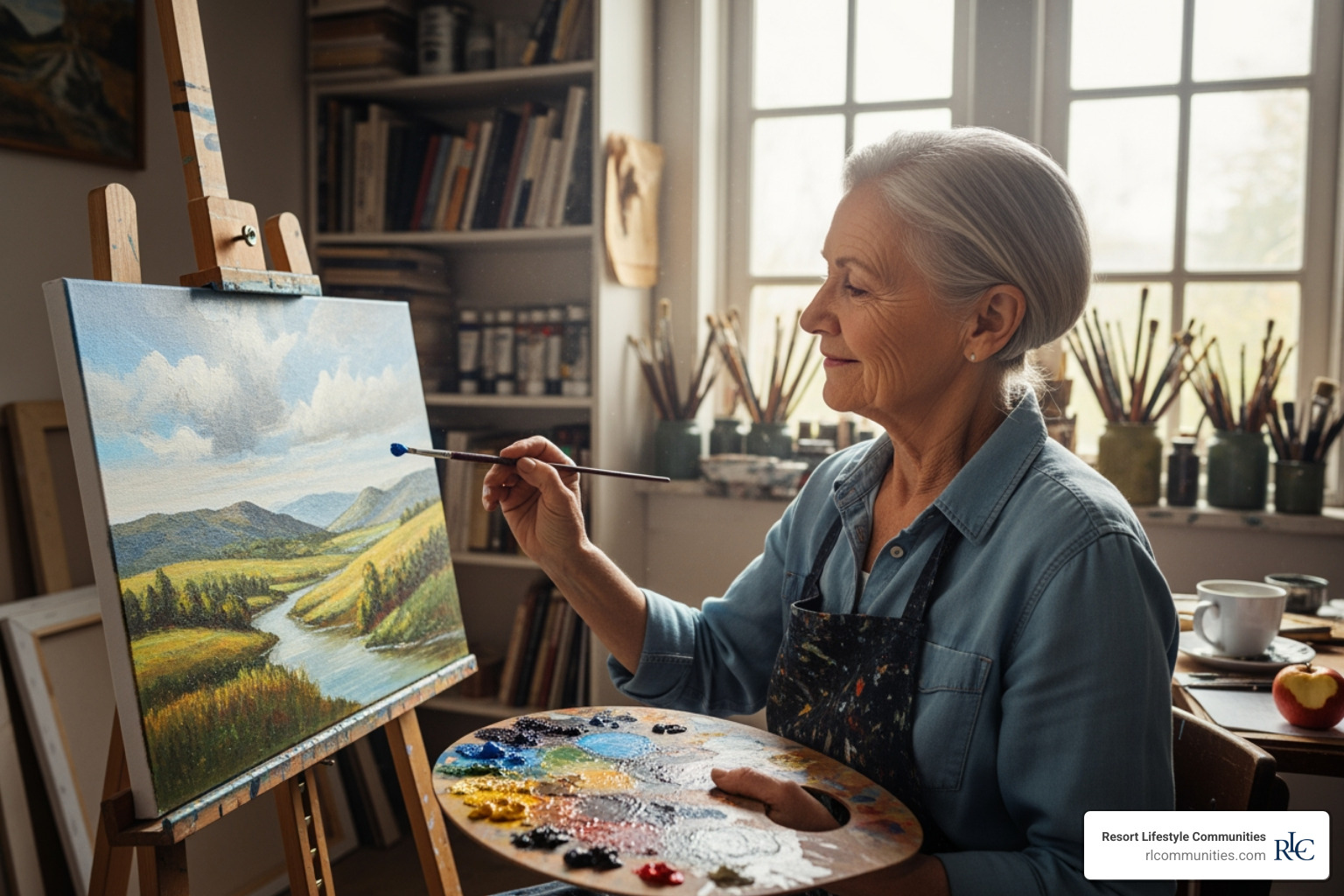
As we age, finding activities that are not only enjoyable but also deeply enriching becomes paramount. For many older adults, art therapy seniors are finding is a powerful path to wellness that goes far beyond a simple pastime. This specialized form of therapy masterfully combines the joy of creative expression with professional mental health support, offering a unique and effective way to steer the challenges of aging while refinding a sense of purpose and connection.
It's a common misconception that art is only for the naturally gifted. "No, I don't draw," Ms. E said firmly when invited to an art session at her assisted living facility. This initial reluctance is common. Yet, within minutes of being gently encouraged to try, she became completely absorbed in the vibrant hues of oil pastels. Her first tentative marks soon blossomed into increasingly detailed and expressive drawings. This remarkable change from hesitation to immersion happens more often than you might think, highlighting the accessible nature of this therapeutic practice.
Art therapy isn't about creating a museum-worthy masterpiece. It is a therapeutic process guided by a trained professional who uses the act of art-making to help older adults process emotions, maintain cognitive function, and connect with their peers. Unlike a traditional art class that focuses on technique and outcome, art therapy prioritizes the journey of creation as a tool for healing and self-findy.
The research is compelling and overwhelmingly positive. Multiple studies have shown that seniors who participate in professionally conducted art programs report better overall health, fewer doctor visits, and a reduced need for medication compared to those who do not. They also demonstrate significant improvements in mental health metrics and show increased levels of social engagement, combating the pervasive issue of loneliness in later life.
At Resort Lifestyle Communities, art-making often becomes a favorite part of the weekly calendar. Residents might start by casually dropping in to a painting group or seasonal craft workshop and then find how relaxed and uplifted they feel afterward. Over time, many choose to explore more intentionally therapeutic creative activities, whether individually with a professional or in small-group settings that emphasize reflection, connection, and emotional support.
Let's explore the profound benefits in more detail:
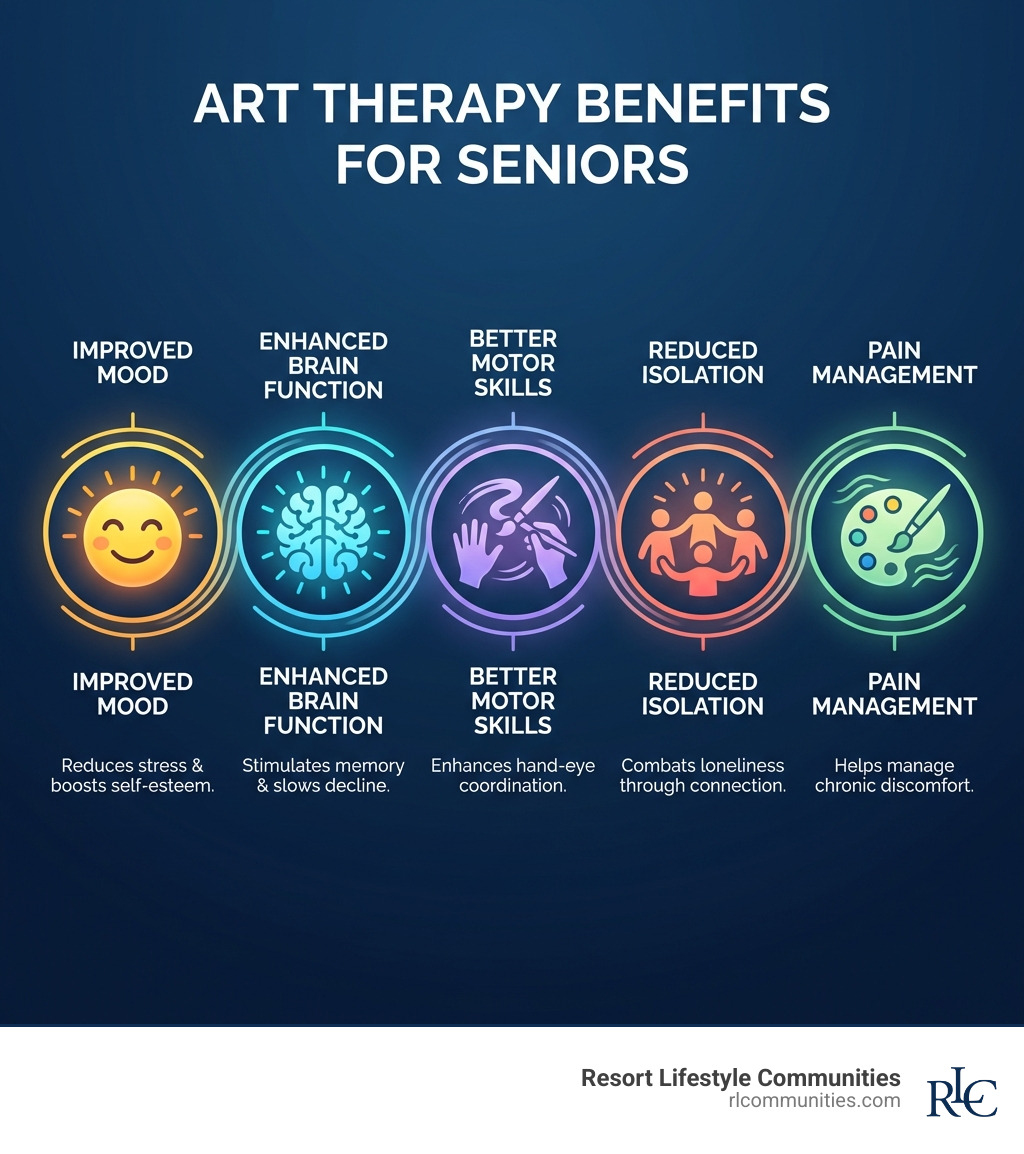
- Boosts Emotional Well-being: The creative process is a powerful form of stress relief. Engaging in art can lower cortisol levels (the body's stress hormone) while boosting mood-enhancing neurochemicals like dopamine and endorphins. It provides a safe, non-verbal outlet for expressing complex feelings related to life transitions, grief, or anxiety, leading to greater emotional regulation and a higher sense of self-esteem.
- Sharpens Cognitive Health: Creating art is a workout for the brain. It stimulates neural pathways and improves neuroplasticity by engaging multiple cognitive functions simultaneously—including memory, problem-solving, and attention. This mental stimulation can help improve memory recall and may even play a role in slowing the progression of cognitive decline.
- Improves Physical Abilities: For many seniors, manipulating a paintbrush, shaping clay, or cutting paper for a collage provides gentle but effective physical therapy. These activities improve fine motor skills, improve hand-eye coordination, and can increase dexterity and strength in the hands and fingers, which is particularly beneficial for those with arthritis.
- Fosters Deep Social Connection: Group art therapy sessions are a fantastic antidote to isolation. They create a supportive, non-judgmental environment where seniors can bond over a shared creative experience. This builds a strong sense of community and belonging, reducing feelings of loneliness and fostering meaningful new friendships.
- Opens New Channels of Communication: When words fail, art speaks. For seniors living with conditions like dementia, aphasia from a stroke, or even profound shyness, art provides an essential alternative for communication. It allows them to express thoughts, memories, and emotions that might otherwise remain locked away.
Whether you're navigating the stress of a major life change, managing grief, living with chronic pain, or supporting a loved one with dementia, art therapy offers accessible, evidence-based support. The best part? You don't need a single drop of artistic experience to reap its incredible benefits.
If you or someone you love lives in an independent senior community like Resort Lifestyle Communities, you may already have many of the ingredients for art-based wellness close at hand: bright gathering spaces, supportive neighbors, and a full activities calendar that can easily incorporate more structured art therapy or guided creative sessions.
What is Art Therapy? The Difference Between Process and Product
At its core, art therapy is a unique mental health profession that harnesses the creative process of art-making to improve physical, mental, and emotional well-being. It’s a common and understandable point of confusion: how is this different from a recreational painting class? The distinction lies in the "therapy" aspect. While an art class focuses on teaching techniques to produce a specific, often aesthetically pleasing end product, art therapy is centered on the process of creation itself and the powerful insights gained along the way.
According to the American Art Therapy Association, art therapy is an “integrative mental health and human services profession that enriches the lives of individuals, families, and communities through active art-making, creative process, applied psychological theory, and human experience within a psychotherapeutic relationship.”
Let's break that down:
- Active Art-Making & Creative Process: This is the hands-on part—drawing, painting, sculpting, etc. The focus isn't on the final product's beauty but on the feelings, thoughts, and choices that emerge during its creation. The choice of color, the pressure of a brushstroke, or the subject matter can all be symbolic expressions of one's inner world.
- Applied Psychological Theory: Art therapists are trained in psychological theories (such as psychodynamic, cognitive-behavioral, or humanistic approaches) and use them to understand the client's creative expression. They might help a senior explore how a recurring symbol in their art relates to a past experience or a current anxiety.
- Psychotherapeutic Relationship: This is the crucial bond between the therapist and the participant. A qualified art therapist, who must hold a master’s degree to practice, creates a safe, confidential, and non-judgmental space. As renowned art therapist Cathy Malchiodi explains in her book, The Art Therapy Sourcebook, the therapist's role is to help individuals connect their artwork to their feelings and understand the nonverbal messages emerging from their creations. They guide, but they do not interpret for the person; they facilitate self-findy.
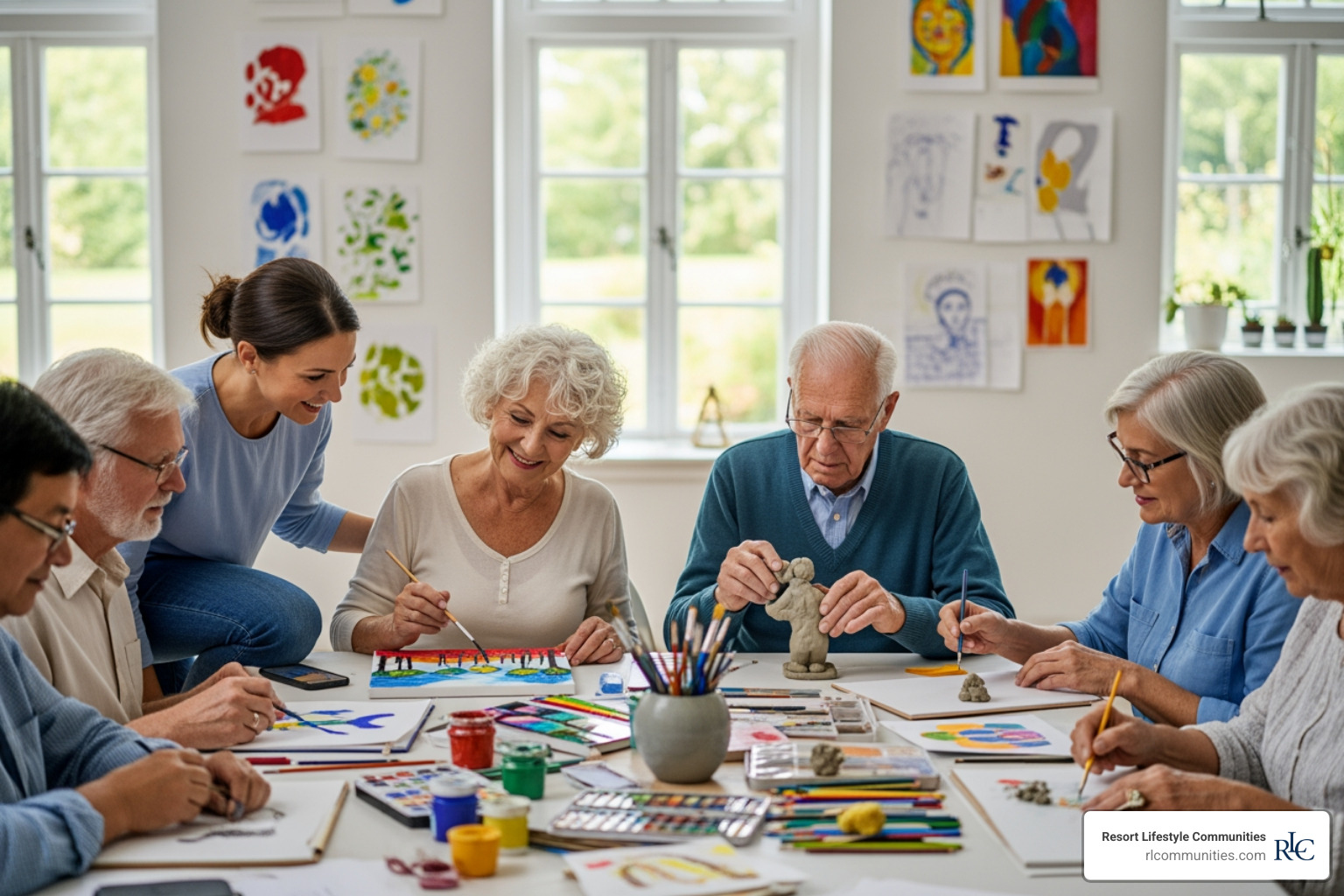
In many senior living communities, you might see both recreational art and true art therapy taking place. A weekly watercolor class led by a hobby artist, for example, is a wonderful opportunity for creativity and friendship, but it is not the same as a session led by a licensed art therapist who designs activities with specific emotional or cognitive goals in mind.
At Resort Lifestyle Communities, life-enrichment and activity teams may coordinate with outside professionals, families, or health providers when residents are interested in more formal therapeutic services. That way, residents can enjoy casual, fun art groups on-site while also having the option to seek out structured art therapy with a credentialed provider if they and their healthcare team feel it would be beneficial.
The beauty of art therapy is its profound accessibility. There is no judgment, no grading, and no right or wrong way to create. It is a space for pure self-expression and personal growth, making it beneficial for everyone, regardless of their perceived artistic abilities or cognitive state.
To make the distinction clearer, here is a direct comparison:
| Feature | Art Therapy | Traditional Art Class |
|---|---|---|
| Primary Goal | To use the creative process for emotional expression, self-exploration, and psychological healing. | To teach artistic techniques and skills to create a specific aesthetic outcome. |
| Focus | The internal experience of the creator (the "process"). The art is a means of communication. | The external result (the "product"). The art is the end goal. |
| Role of the Leader | A licensed, Master's-level therapist who facilitates emotional processing and ensures a safe therapeutic environment. | An art instructor who teaches skills, provides demonstrations, and critiques technique. |
| Verbal Component | Discussion is used to explore the meaning and feelings associated with the artwork and the creative process. | Instruction is focused on how to achieve a certain artistic effect. Conversation is typically social. |
| Outcome | Increased self-awareness, emotional regulation, stress reduction, and resolution of psychological issues. | An improved skill set in a particular art medium and a finished piece of artwork. |
For families exploring independent living, understanding this difference can help you ask informed questions. You might ask a prospective community whether they partner with licensed creative arts therapists, how they support residents who are working with outside providers, and what kinds of creative programs are built into the daily schedule. In settings like Resort Lifestyle Communities, where residents enjoy the freedom to age in place and add third-party in-home care as needed, it is often easy to incorporate art therapy into an overall wellness plan.