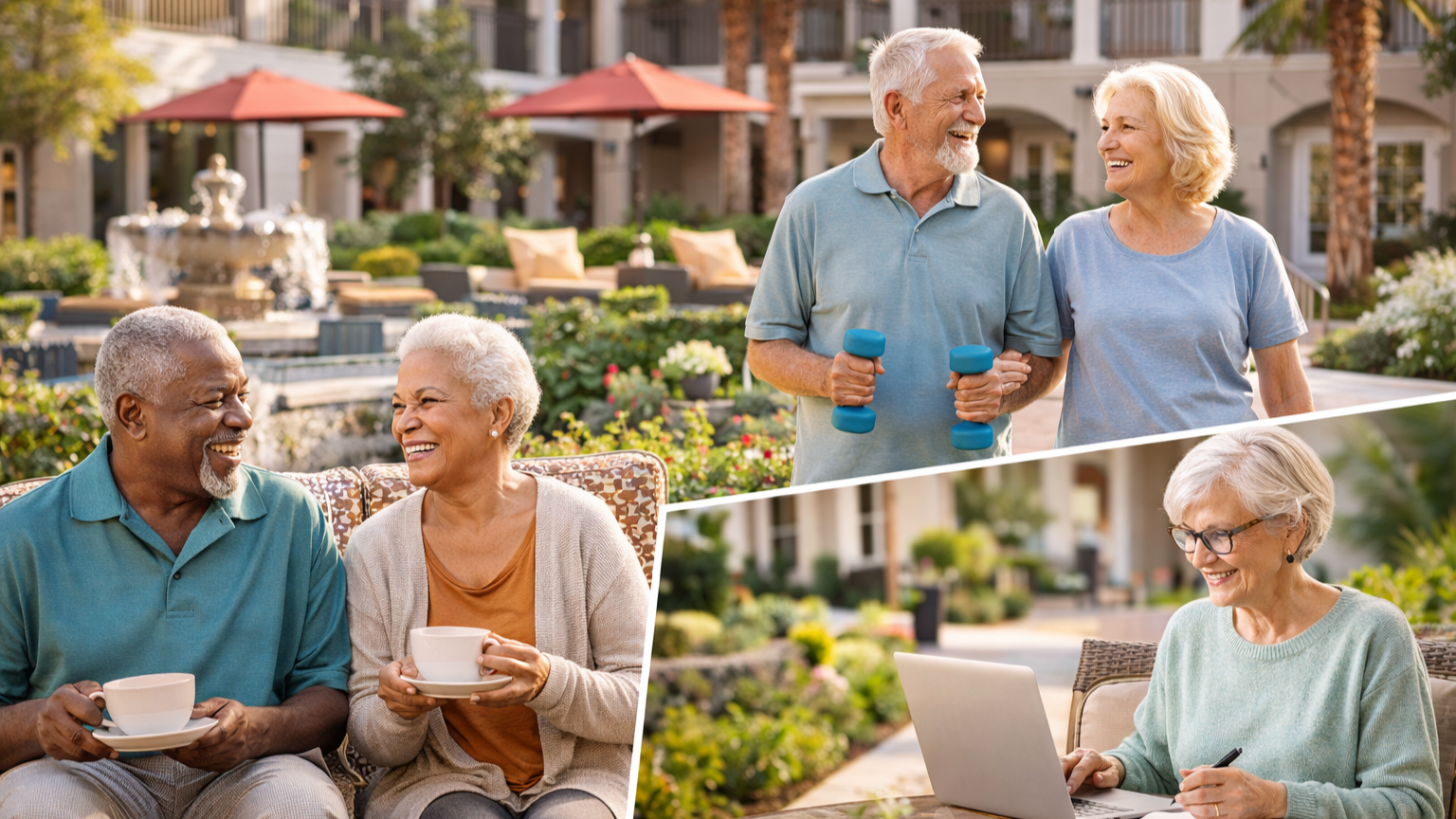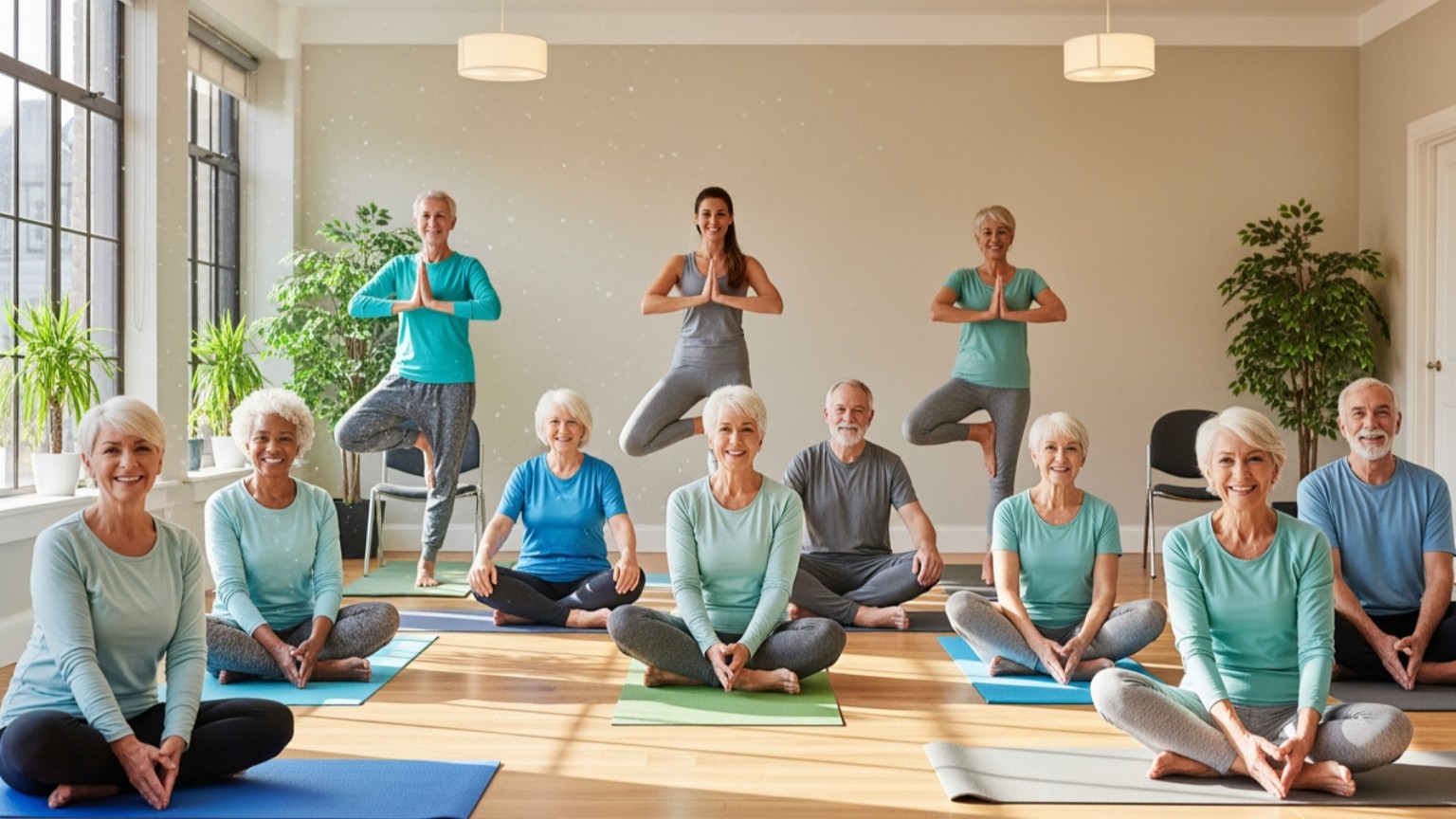
Why a Healthy Living for Seniors Program Matters Now More Than Ever
A healthy living for seniors program offers structured support through evidence-based activities that help older adults manage chronic conditions, stay physically active, maintain social connections, and live independently longer. Most programs include components like exercise classes, nutrition guidance, chronic disease self-management education, and social engagement opportunities—many available through local Area Agencies on Aging at little or no cost.
Quick Guide to Healthy Living Programs for Seniors:
- What they are: Evidence-based programs that teach self-management skills for chronic conditions, promote physical activity, and foster social connection
- Who delivers them: Area Agencies on Aging (AAAs), community centers, healthcare organizations, and senior living communities
- Common programs: A Matter of Balance (66% of AAAs), Chronic Disease Self-Management Program (59%), Diabetes Self-Management (47%), Tai Chi for Arthritis (37%)
- Cost: Often free or low-cost through Title III D funding of the Older Americans Act
- How to find: Search the Eldercare Locator or contact your local AAA
Here's the reality: 86% of people over age 65 live with at least one chronic health condition—diabetes, heart disease, arthritis, or cancer. Sixty-one percent live with two or more. And by 2040, roughly 78.3 million Americans will be age 65 or older.
But here's the good news. Chronic conditions don't have to define your later years. Evidence-based healthy living programs empower older adults to take control through increased self-efficacy and self-management. These programs teach practical skills that lead to real outcomes: fewer doctor visits, reduced fall risk, better medication management, and more years of independent living.
The World Health Organization identifies four key pillars of active aging: health, participation, lifelong learning, and security. A comprehensive healthy living program addresses all four. It's not just about preventing disease—it's about creating a vibrant lifestyle where seniors stay engaged, continue learning, maintain meaningful relationships, and feel secure in their living environment.
Whether you're exploring options for yourself or supporting an older loved one, understanding these programs is the first step toward a more active, fulfilling senior lifestyle.
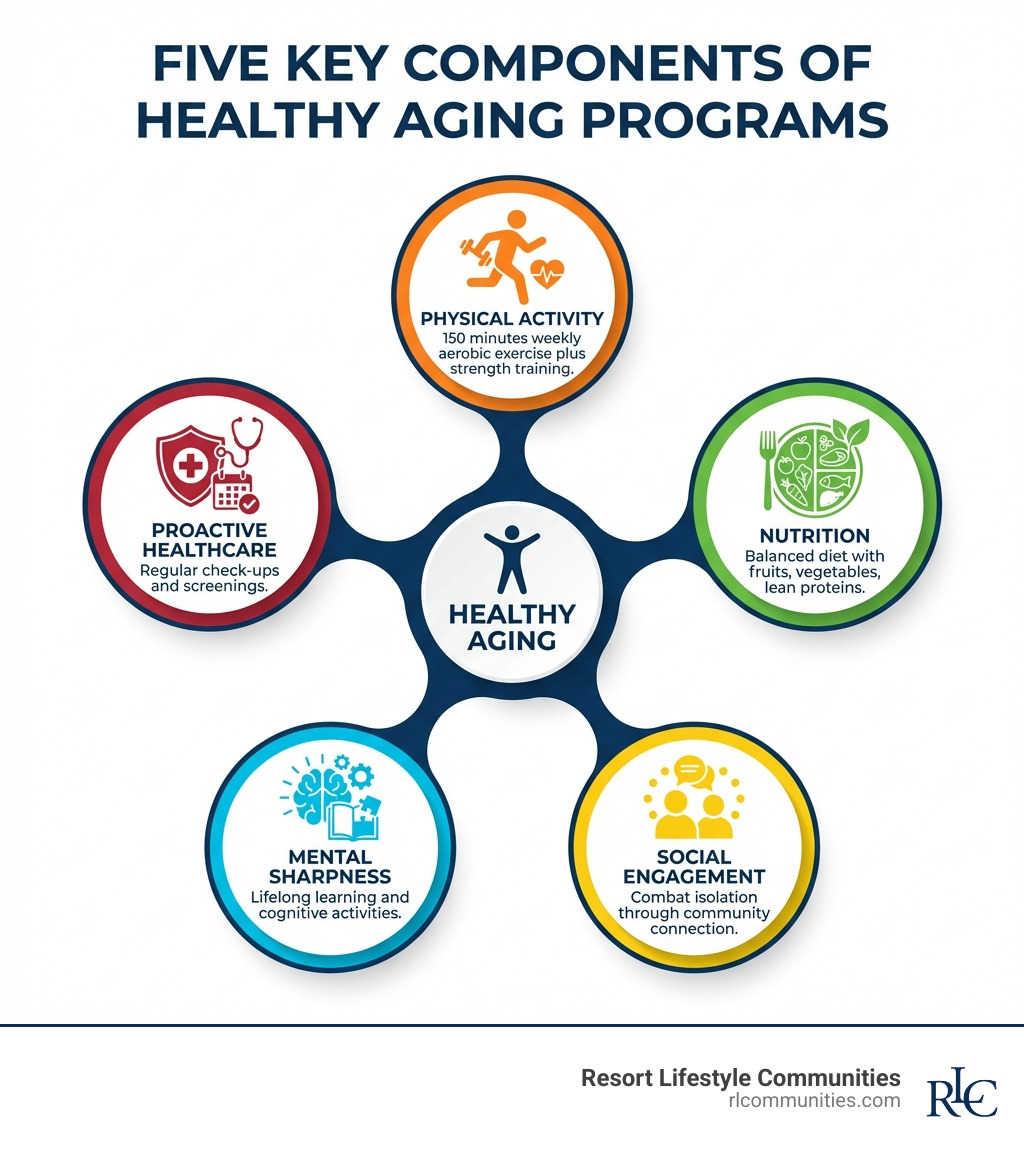
Understanding Evidence-Based Healthy Living for Seniors Programs
As we age, the likelihood of encountering chronic health conditions increases. The statistics are clear: 86% of people over age 65 live with at least one chronic health condition, and 61% manage two or more. These conditions can range from diabetes and heart disease to arthritis and cancer. While these numbers might seem daunting, they highlight the critical need for effective strategies to maintain health and independence. This is where evidence-based disease prevention and health promotion programs come into play.
These programs are designed to empower older adults by providing the tools and knowledge to proactively manage their health. They focus on disease prevention by promoting healthy lifestyles and health promotion by enhancing overall well-being. The core idea is to foster self-management skills, allowing seniors to take an active role in their care rather than simply reacting to health issues. This empowerment ultimately leads to increased self-efficacy – a belief in one's own ability to succeed – which is vital for long-term health.
Community-integrated care is a key component of many successful healthy living programs. This approach ensures that older adults receive support within their own communities, making it easier to access services and maintain social connections. By integrating health services into the community, these programs help seniors continue to live independently and thrive.
How Evidence-Based Programs Empower Seniors
Evidence-based programs are not just about providing information; they're about fostering a sense of control and capability. By participating, older adults develop greater self-efficacy and learn practical strategies to manage their chronic conditions. This might include understanding medication schedules, adapting recipes for healthier eating, or finding safe ways to stay physically active.
The benefits extend beyond mere condition management. These programs have been shown to improve seniors' overall quality of life, enabling them to remain active, engaged, and independent. For many, the goal is to continue aging in place, and these programs provide the crucial support needed to achieve that. The National Council on Aging (NCOA) highlights a list of the highest-tier Evidence-Based Health Promotion and Disease Prevention Programs that have been proven to make a significant difference in seniors' lives.
Common Programs and How to Access Them
Area Agencies on Aging (AAAs) are at the forefront of delivering these vital services. Nearly all AAAs across the country deliver at least one evidence-based disease prevention and health promotion program. These programs are crucial resources for older adults and their caregivers in states like Alabama, Arizona, Arkansas, Colorado, Connecticut, Florida, Georgia, Illinois, Iowa, Kansas, Kentucky, Michigan, Missouri, Nebraska, Nevada, New Jersey, New Mexico, New York, North Carolina, Ohio, Pennsylvania, South Carolina, Tennessee, Texas, Utah, Virginia, and Wisconsin, where our communities are located.
Some of the most commonly delivered programs by AAAs include:
- A Matter of Balance: Delivered by 66% of AAAs, this program helps reduce the fear of falling and increases activity levels among older adults.
- Chronic Disease Self-Management Program (CDSMP): Offered by 59% of AAAs, this workshop helps people with ongoing health conditions manage their symptoms and take control of their lives.
- Diabetes Self-Management Program (DSMP): Delivered by 47% of AAAs, this program focuses specifically on managing diabetes and its related complications.
- Tai Chi for Arthritis: Offered by 37% of AAAs, this program uses gentle Tai Chi movements to improve balance and flexibility and reduce pain.
These programs are often funded by federal sources, primarily Title III-D of the Older Americans Act. This funding allows many of these programs to be offered at little to no cost, making them accessible to a wide range of seniors.
Finding these programs is easier than you might think. We recommend starting with the Eldercare Locator, a nationwide service that connects older adults and their caregivers with trustworthy local support resources. You can also directly contact your local Area Agency on Aging to inquire about available programs in your area.
The Four Pillars of Active Aging: A WHO Framework
The World Health Organization (WHO) offers a comprehensive framework for what it calls "active aging," a holistic approach to healthy living in later years. Active aging means continuing to engage in important aspects of life—whether cultural, spiritual, social, physical, or mental. It emphasizes that maintaining healthy habits is vital to enhancing seniors' quality of life as they age. This framework identifies four key pillars: health, participation, lifelong learning, and security, all of which are interconnected and essential for a vibrant senior lifestyle. You can explore the full Active aging framework for a deeper understanding.
Pillar 1: Health (Physical, Mental, and Cognitive)
The first pillar, health, encompasses not just the absence of illness but a state of complete physical, mental, and cognitive well-being. It encourages a proactive approach to healthcare, including regular check-ups, preventive screenings, and disease management. Physical activity, as we'll discuss further, is fundamental here. Mental health is equally important, with emphasis on stress management techniques and emotional well-being. Too much stress can affect the body’s response to inflammation, which can lead to age-related health conditions, according to the National Council on Aging. These include diabetes, arthritis, dementia, and cancer. Cognitive stimulation is also crucial for keeping the mind sharp and maintaining brain health.
Our communities prioritize a holistic approach to health, offering a range of wellness services to support seniors in every aspect of this pillar. To learn more about how we integrate health and wellness into daily life, you can find more info about are wellness programs.
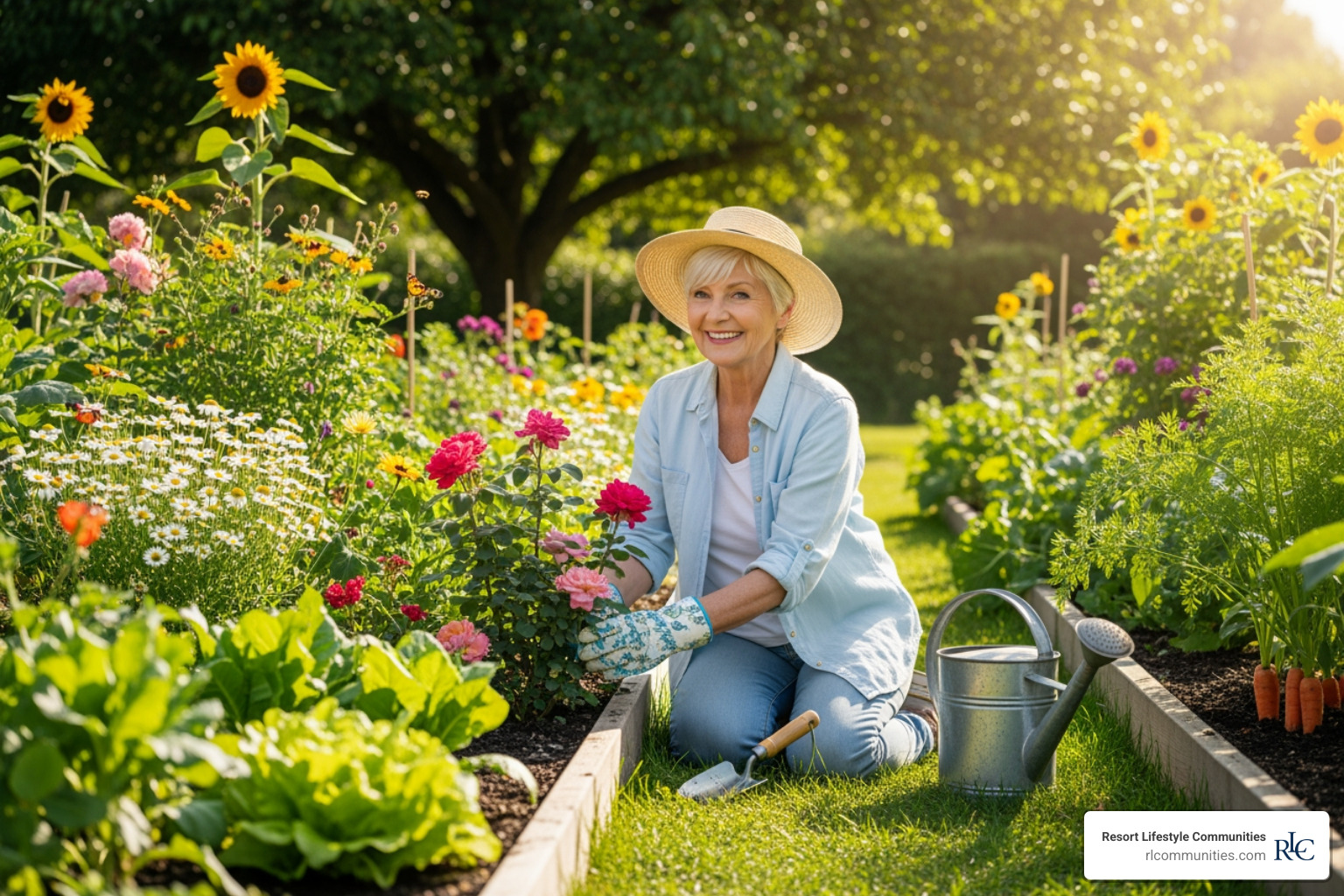
Pillar 2: Participation
Humans are social creatures, and maintaining strong social connections is vital for healthy aging. The participation pillar emphasizes the importance of social engagement, combating loneliness, and fostering community involvement. Increased social isolation and loneliness are associated with higher risks for health problems, such as depression, heart disease, and cognitive decline.
Fortunately, seniors who can make new friends or reconnect with old ones often experience a more upbeat mood and better overall well-being. Making new friends can boost a senior’s self-esteem, increase access to social resources, and even encourage more physical activity, according to a 2015 study on social network growth. This pillar encourages seniors to stay involved in their communities, whether through volunteering, joining clubs, or simply engaging in regular social activities. Our communities are designed with vibrant lifestyle amenities that naturally foster social connections and participation. Explore more info about our lifestyle amenities to see how we cultivate an engaging environment.
Pillar 3: Lifelong Learning
Keeping our minds active and engaged is just as important as keeping our bodies moving. The lifelong learning pillar promotes mental sharpness and cognitive health by encouraging seniors to acquire new skills and knowledge. After retirement, it can be easy to slip into a routine that doesn’t challenge the brain. However, staying mentally active is important as we age. In fact, research shows that learning a new skill can enhance memory function in older adults.
This could involve taking up a new hobby, learning a musical instrument, joining a book club, attending lectures, or even mastering a new language. The key is to continuously challenge the brain, fostering neuroplasticity and maintaining cognitive vitality. Many senior centers and community colleges offer programs custom-made for older learners, providing accessible opportunities for intellectual growth.
Pillar 4: Security
The fourth pillar, security, goes beyond just financial stability. It encompasses having a safe and stable living environment, protection from exploitation, and being treated with dignity. These factors are essential for a senior’s sense of well-being and peace of mind. A secure environment allows seniors to live without fear, knowing their physical and emotional needs are met. This includes having reliable housing, access to necessary services, and protection from various forms of abuse or neglect.
Our communities are designed to provide a secure and supportive environment where residents can thrive. We understand the importance of feeling safe and respected, and our accommodations reflect this commitment. For more details on the safe and dignified living options we offer, please visit our accommodations.
Building Your Foundation: Physical Activity and Nutrition
Physical activity and proper nutrition form the bedrock of any successful healthy-living-for-seniors program. These two elements are powerful tools for preventing chronic diseases, managing existing conditions, and maintaining independence well into our later years. Regular physical activity can help prevent or manage many chronic diseases, such as heart disease, diabetes, and obesity. Additional benefits for older adults are reduced risk of falling, more years of independent living, and improved brain health. Similarly, a nutritious diet provides the fuel and building blocks our bodies need to function optimally, boost immunity, and ward off age-related health issues.
A Guide to Physical Activity in a Healthy Living for Seniors Program
Staying active is one of the most impactful things older adults can do for their health. Experts recommend at least 150 minutes per week of moderate-intensity aerobic exercise, or 75 minutes of vigorous-intensity aerobic activity, plus muscle-strengthening activities at least two days each week for older adults. They should also include activities that improve balance to reduce the risk of fall-related injuries.
Here's a breakdown of the physical activity guidelines for adults 65 and older:
- Aerobic Activity: Aim for at least 150 minutes of moderate-intensity aerobic activity (such as brisk walking, swimming, or dancing) or 75 minutes of vigorous-intensity aerobic activity (such as jogging or hiking) each week. This can be broken into smaller chunks throughout the day.
- Muscle-Strengthening Activities: Engage in muscle-strengthening activities at least two days a week, working all major muscle groups. This can include lifting light weights, using resistance bands, or even bodyweight exercises. The CDC provides an excellent resource, Growing Stronger: Strength Training for Older Adults, with exercises to increase muscle strength, maintain bone integrity, and improve balance, coordination, and mobility.
- Balance Exercises: Incorporate activities that improve balance, such as standing on one foot or Tai Chi, which is particularly effective for fall prevention. Physical activity can significantly help older adults prevent both chronic disease and fall-related injuries.
These guidelines are detailed in the Physical Activity Guidelines for Americans. For those who love to explore, staying active can even be integrated with travel.
Fueling Your Body: Nutrition for Healthy Aging
A nutritious diet is just as crucial as physical activity for healthy aging. A balanced diet that includes a variety of fresh fruits and vegetables, whole grains, healthy fats, and lean proteins can help boost immunity and lower the risk of certain health problems, such as heart disease, high blood pressure, obesity, type 2 diabetes, stroke, and some cancers.
One popular and highly recommended dietary approach is the Mediterranean diet. Research shows that following a Mediterranean diet can help reduce the risk of sudden cardiac death due to its focus on heart-healthy foods. This eating pattern emphasizes:
- Plenty of fruits and vegetables: Rich in vitamins, minerals, and antioxidants.
- Whole grains: Providing fiber for digestive health and sustained energy.
- Lean proteins, Such as fish, poultry, and legumes, are essential for muscle maintenance.
- Healthy fats: Primarily from olive oil, nuts, and seeds, supporting heart and brain health.
For seniors, a healthy diet supports not only physical health but also cognitive function and energy levels, contributing to overall independence and quality of life. Our communities offer exceptional dining services that make healthy eating a delicious and convenient part of daily life. Learn more about our approach to culinary excellence with More info about dining services.
Proactive Health Management and the Role of Caregivers
A comprehensive healthy living for seniors program extends beyond individual efforts, incorporating proactive health management and the invaluable support of caregivers. This holistic approach ensures that older adults receive the preventive care they need while also addressing mental health and cognitive health, often with the loving support of family and friends.
The Importance of Regular Check-ups and Screenings
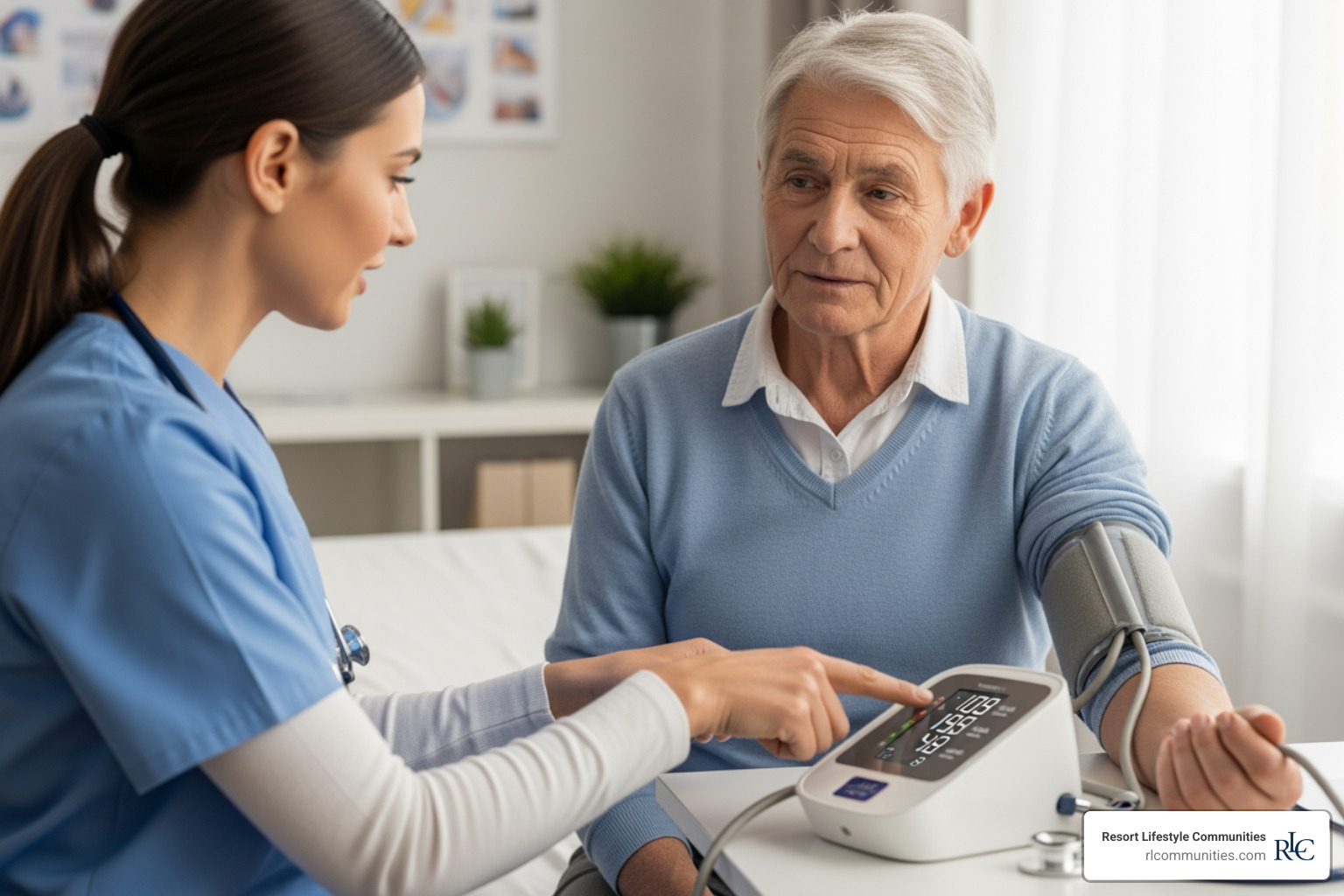
Regular medical check-ups and screenings are cornerstones of proactive health management for older adults. These appointments are crucial for early detection of potential health issues, allowing for timely intervention and more effective treatment. They also help reduce risk factors for common diseases such as high blood pressure and high cholesterol.
Family members can play a vital role in supporting these appointments. This might involve scheduling visits, providing transportation, accompanying their loved ones to appointments, taking notes, and facilitating communication with healthcare providers. It's also important for older adults to maintain an up-to-date list of all medications, including over-the-counter drugs and supplements, to share with their doctors.
MedlinePlus offers valuable resources on health screenings specifically custom for women and men, ensuring seniors and their caregivers are informed about recommended preventive measures.
A Caregiver's Guide to Supporting a Healthy Living for Seniors Program
Caregivers are unsung heroes in the journey of healthy aging. Their support can significantly improve an older loved one's ability to participate in and benefit from a healthy living program. Here are several ways caregivers can contribute:
- Encouragement and Motivation: Be a cheerleader! Gentle encouragement can make a big difference in motivating seniors to try new activities or stick with healthy habits.
- Appointment Support: Help manage schedules, provide transportation, and attend medical appointments to ensure clear communication and understanding of care plans.
- Meal Preparation: Assist with grocery shopping, meal planning, and the preparation of nutritious meals. Modifying traditional recipes to be healthier (e.g., using olive oil instead of butter) can be a fun activity to do together.
- Preventing Social Isolation: Help seniors connect with friends, family, and community groups. Regular phone calls, video chats, or outings can combat loneliness, which is associated with higher risks for depression, heart disease, and cognitive decline.
- Resource Navigation: Use resources such as Caregiving Tip Sheets and those from the National Institute on Aging to become informed and find support for the caregiving journey.
Your support and encouragement can make a tangible difference in the health and well-being of your older loved ones.
Mastering Mental Wellness: Stress and Cognitive Health
Mental wellness and cognitive health are integral to a vibrant senior lifestyle. Just as our bodies need regular exercise and care, our minds do too. Stress management techniques are crucial, as chronic stress can have detrimental effects on physical and mental health. As mentioned, too much stress can affect the body’s response to inflammation, contributing to age-related conditions. Techniques such as meditation, deep breathing exercises, spending time in nature, or engaging in hobbies can significantly reduce stress levels.
Maintaining a sharp mind involves continuous cognitive stimulation. This isn't just about avoiding memory loss; it's about enhancing brain function and enjoying mental agility. Engaging in "brain games," puzzles, reading, and especially learning new skills, can keep the mind active. Research has shown that learning a new skill can significantly improve memory function in older adults. The CDC's Healthy Brain Initiative provides valuable resources and strategies for promoting brain health throughout life.
Frequently Asked Questions about Healthy Living Programs for Seniors
What are the first steps to finding a local senior wellness program?
Finding a local healthy living program for seniors is often easier than you think. Your first step should be to explore the Eldercare Locator, a nationwide service that connects older adults and their caregivers with local support resources. You can also contact your local Area Agency on Aging (AAA), as nearly all of them deliver at least one evidence-based disease prevention and health promotion program. Many community centers, senior centers, and even healthcare providers in your area (like those in Alabama, Arizona, Arkansas, Colorado, Connecticut, Florida, Georgia, Illinois, Iowa, Kansas, Kentucky, Michigan, Missouri, Nebraska, Nevada, New Jersey, New Mexico, New York, North Carolina, Ohio, Pennsylvania, South Carolina, Tennessee, Texas, Utah, Virginia, and Wisconsin) offer a variety of wellness programs. Don't hesitate to reach out and ask what's available!
How much physical activity do seniors really need?
The general recommendation for adults 65 and older is at least 150 minutes per week of moderate-intensity aerobic activity (think brisk walking, swimming, or dancing) or 75 minutes of vigorous-intensity aerobic activity (like jogging). In addition, older adults should incorporate muscle-strengthening activities at least two days each week, working all major muscle groups. Crucially, activities that improve balance should also be included to help prevent falls. Any amount of physical activity is better than none, so start slow and gradually increase your activity levels as your body adjusts.
How can I help an older loved one who is resistant to making lifestyle changes?
Encouraging an older loved one to adopt new healthy habits requires patience, empathy, and persistence. Start by understanding their concerns and listening to their perspective without judgment. Instead of forcing changes, try to make healthy activities fun and engaging. Invite them to join you for a short walk, cook a nutritious meal together, or explore a new hobby that offers mental stimulation. Focus on small, achievable changes rather than overwhelming them with a complete overhaul. Highlight the benefits they care about most – perhaps more energy for grandchildren, better sleep, or continued independence. Sometimes, having a healthcare professional recommend changes can also be more impactful. Your support and encouragement are powerful tools!
Conclusion: Embracing a Vibrant and Active Future
Embracing a wellness program for seniors is a proactive, empowering step toward a vibrant, fulfilling future. As we’ve explored, it’s about far more than just managing illness; it’s about fostering holistic well-being across the four pillars of active aging: health, participation, lifelong learning, and security. From maintaining physical vitality through recommended exercises and nourishing diets to sharpening our minds and nurturing our social connections, every aspect contributes to a richer, more independent life.
The resources and programs available through Area Agencies on Aging, community centers, and dedicated organizations like the NCOA are designed to empower seniors and their caregivers with the knowledge and tools needed to thrive. By leveraging these opportunities, we can confidently steer the aging process, ensuring that our later years are marked by engagement, purpose, and joy.
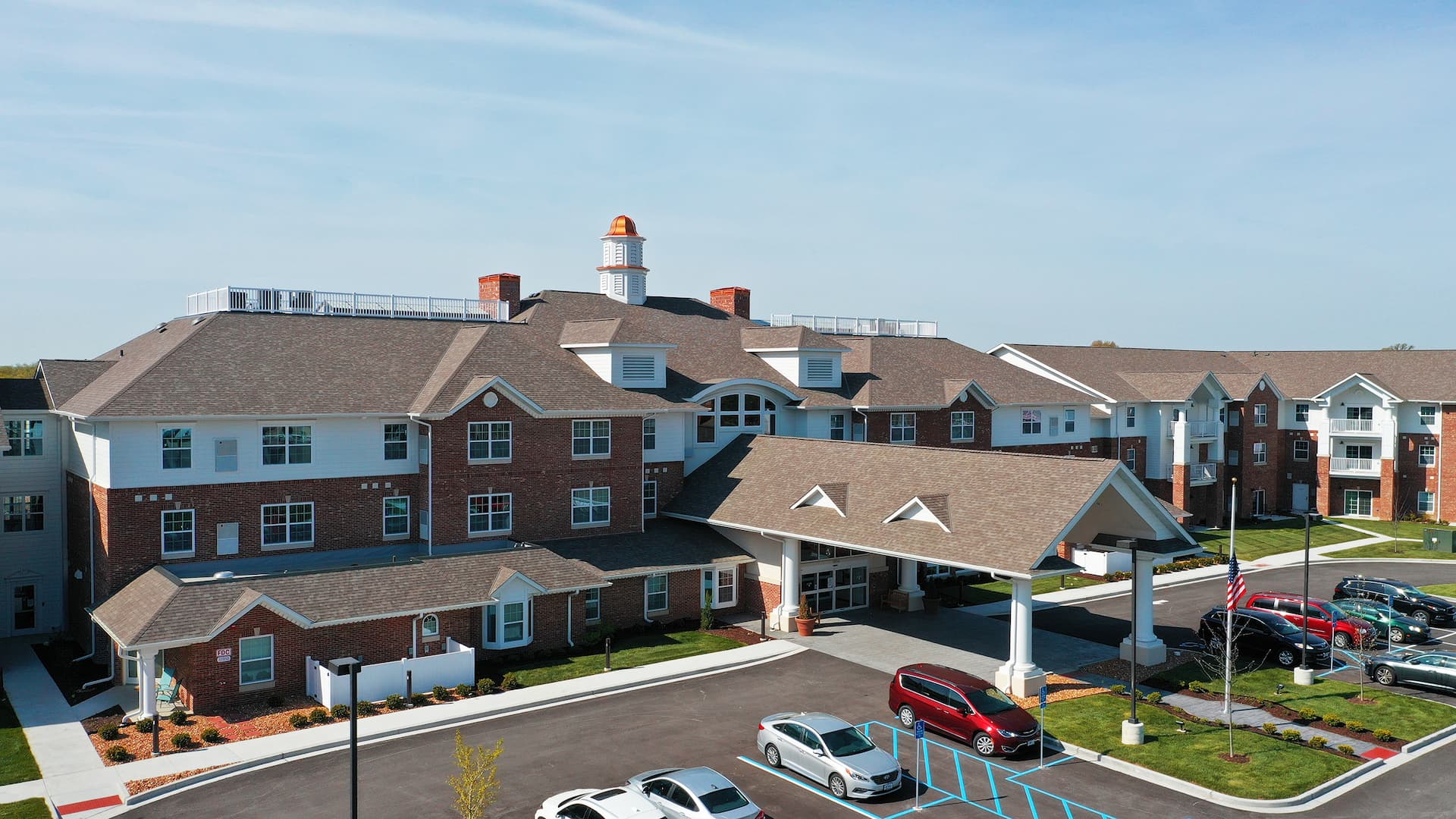
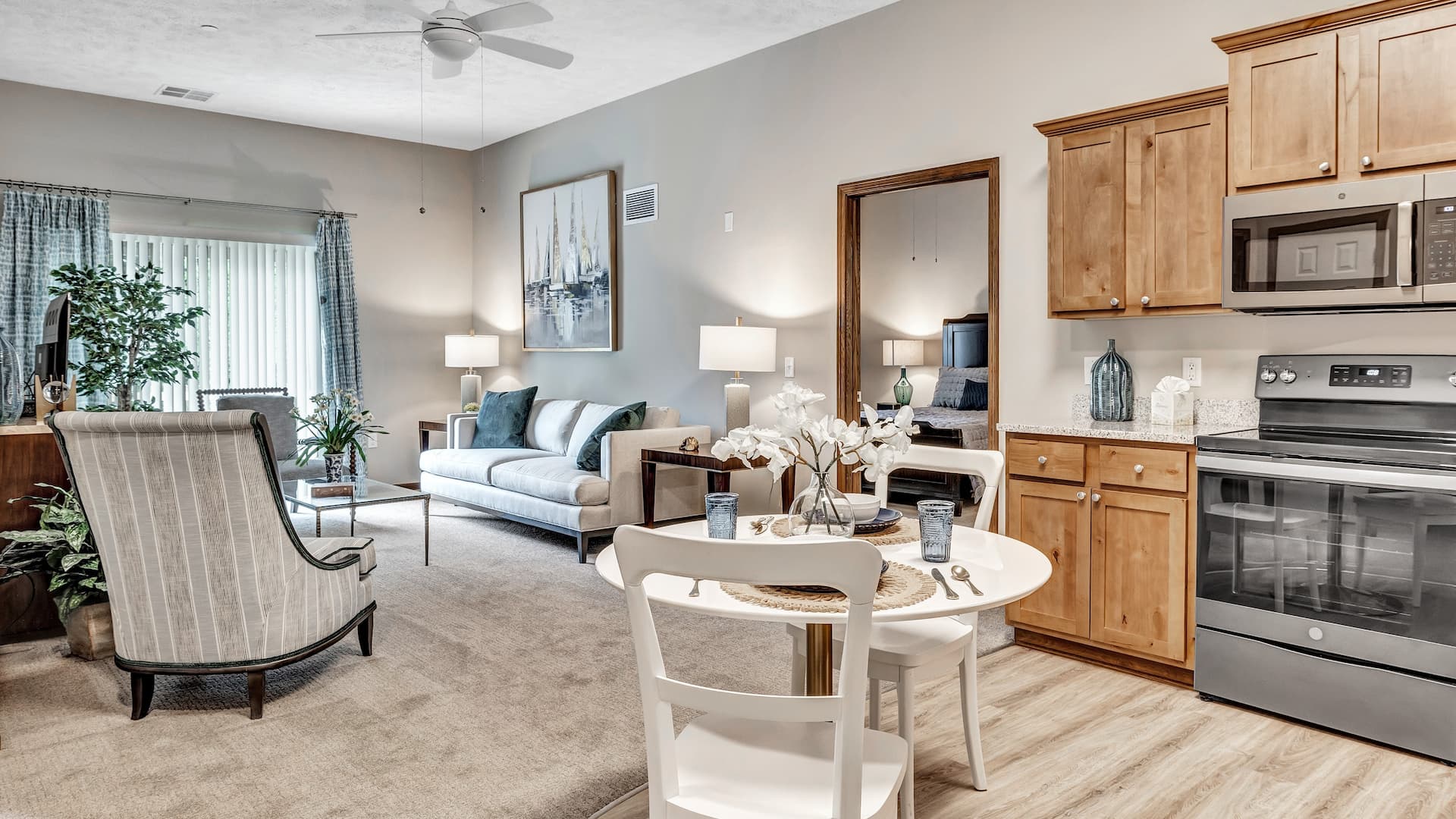
At Resort Lifestyle Communities, we are committed to supporting this vibrant approach to senior living. Our communities are designed to offer an all-inclusive independent living experience, where residents can age in place with access to a wide array of amenities and optional third-party in-home care. We believe in providing environments that naturally encourage physical activity, healthy dining, social engagement, and continuous learning, all within a secure and supportive setting.
We invite you to find out how a life of grace, vitality, and independence can be your reality. To learn more about our philosophy and explore the possibilities, we encourage you to explore our communities in your state and imagine your vibrant future with us.