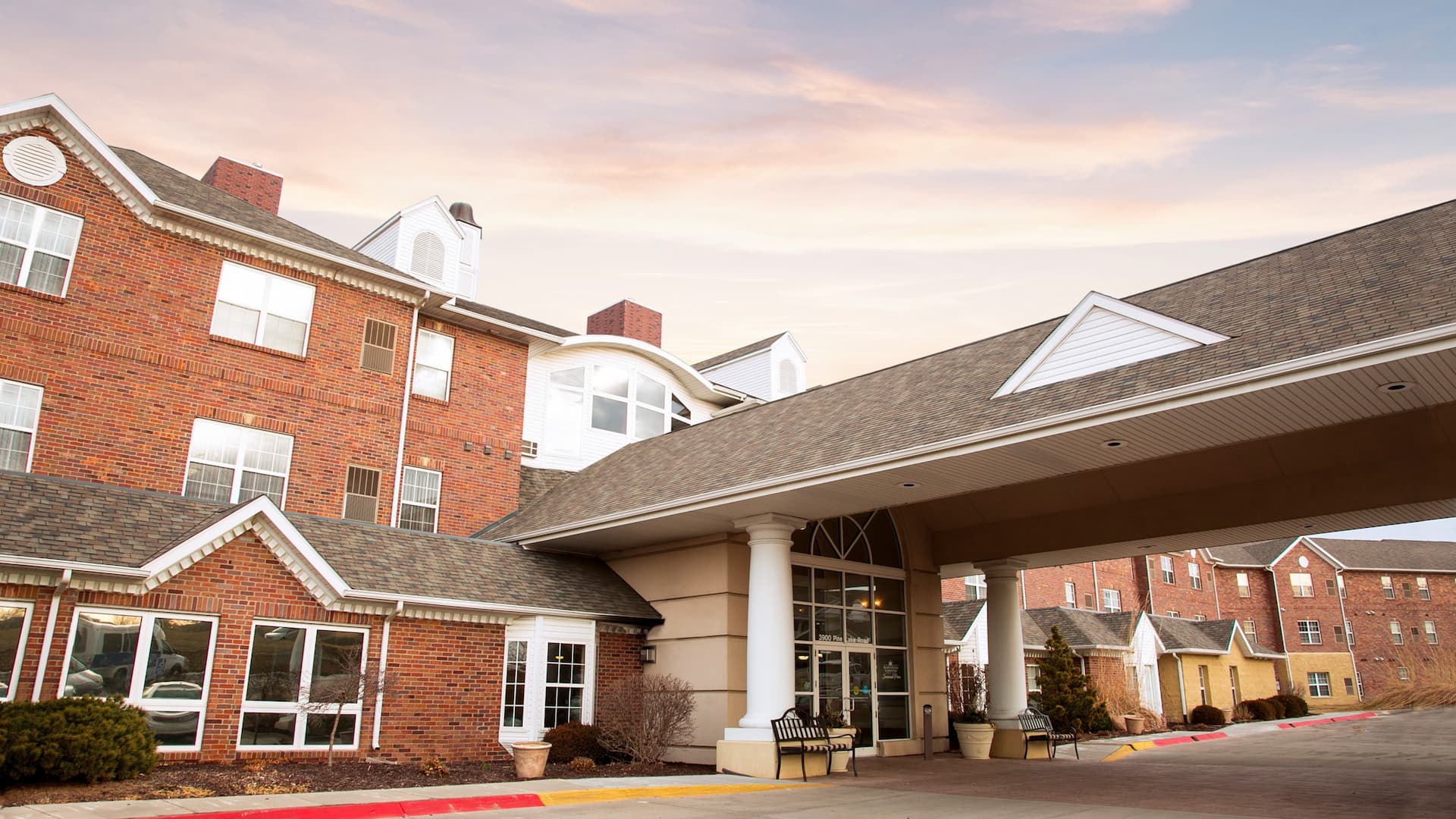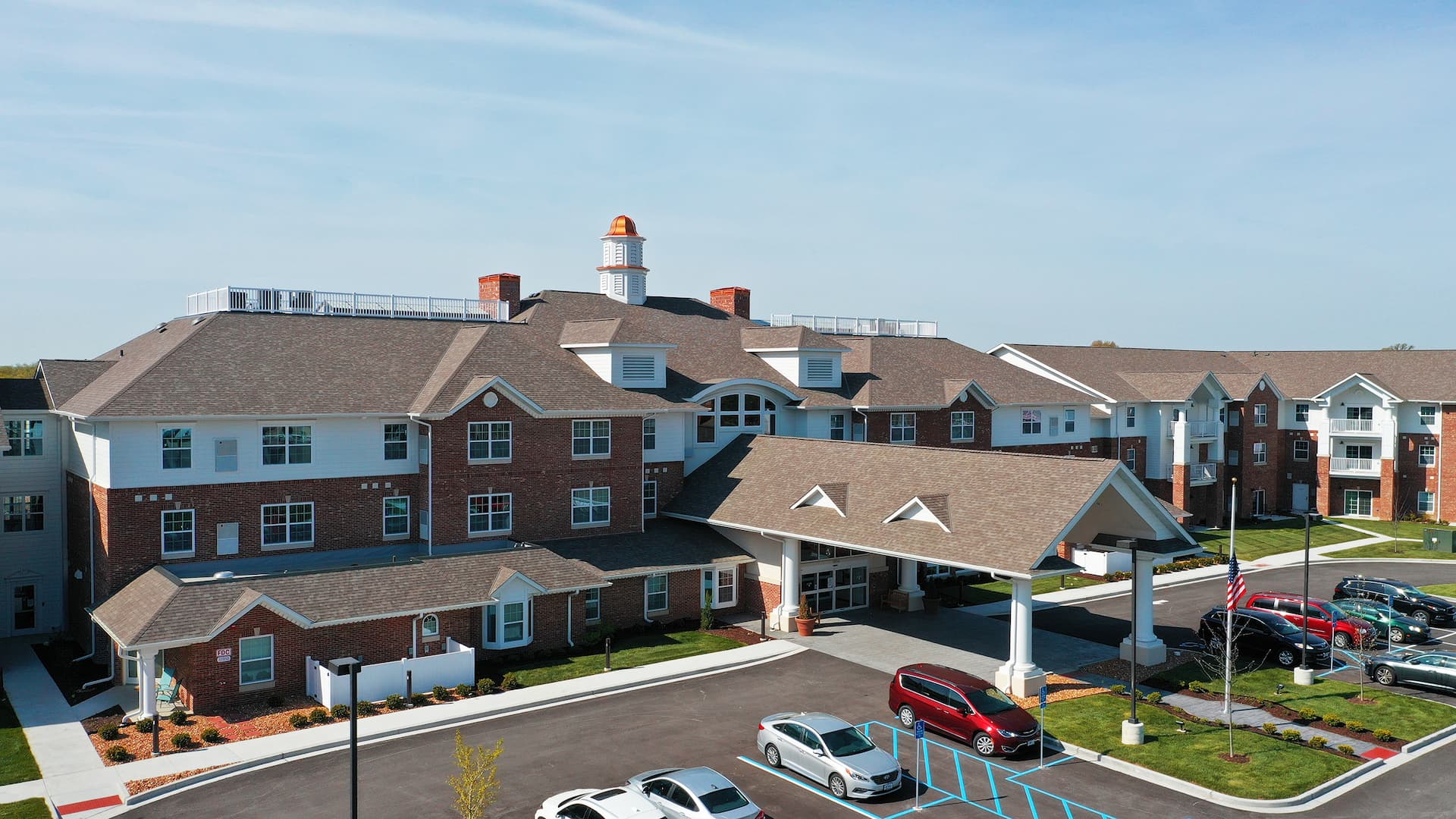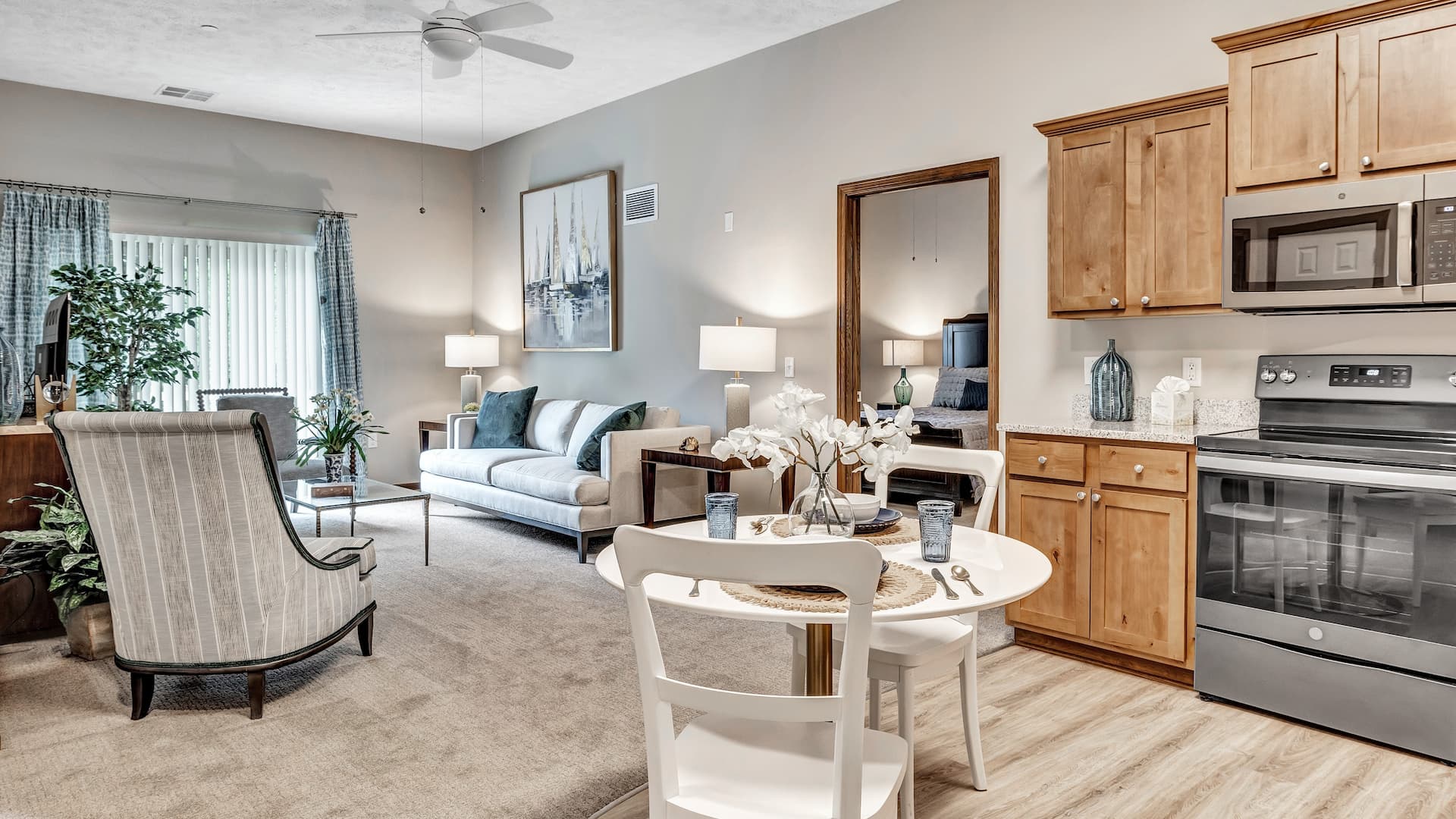
If you’re feeling overwhelmed in your search for a retirement community, you aren’t alone. Going through any big change can be intimidating, but most good things are earned from challenges. The process for finding your new home might not be a total walk in the park, but you’ll find that the process was well worth it when you get to spend every day in a place that meets all your needs and satisfies your wants. By approaching this decision with the right mindset and expectations, you can get one step closer to a lifestyle that’s perfect for you and take a lot of the stress out of the process.
When it comes to retirement living options, there truly is something for everyone. Whether you're planning ahead or actively searching, the key is understanding what actually matters most to you — beyond just the square footage and floor plans.
Let’s break it all down.
What Makes an Independent Living Community Different?
When people think about “retirement community” living, they occasionally lump everything together — independent living, senior apartments, assisted living — but each offers something very different. Do not assume that these are all different names for the same thing!
Independent Living vs. Senior Apartments
Senior apartments often focus primarily on age‑specific housing. You get a home, but little to no built‑in services or lifestyle support. These can be useful for younger seniors or seniors who don’t need much support, but they can also be limited because they don’t offer the fun bonuses that define other community types.
Independent living takes it further:
-
A more resort-style approach
-
Amenities designed to promote ease and support comfort
-
Opportunities for connection through activities and social events
-
Services that reduce daily burdens like cooking and home maintenance
You still get to have your own home just the way you like it, but with more conveniences and opportunities for socialization and fun just outside your door.
Independent Living vs. Assisted Living
Independent living is designed for adults who don’t need personal care assistance. Assisted living facilities, or “nursing homes,” provide support with services such as bathing, medication, and mobility assistance.
In short:
Independent living = more freedom, fewer chores, more fun/social focus.
Assisted living = healthcare support plus housing.
A More Relaxed, Hospitality‑Forward Atmosphere
When you think of independent living communities, think less “facility” and more “resort.”
In such places, you’ll typically find:
-
Beautiful communal spaces
-
Landscaped grounds
-
Engaging programs and events
-
More elevated dining with greater variety in dishes
Two Bedrooms, or Not Two Bedrooms? That Is the Question.
One of the biggest decisions when apartment-hunting is choosing between a one-bedroom and a two-bedroom layout. While a two- or three-bedroom apartment may seem most appealing to those moving from a larger house, there are many cases where a one-bedroom apartment can be beneficial. As the saying goes, “less is more.”
Base the Decision on Lifestyle, Not Square Footage Alone
Ask yourself:
-
How do I currently use my space?
-
Do I need a dedicated room for hobbies or guests?
-
How often do I host family or overnight visitors?
When a One-Bedroom Makes Perfect Sense
A one-bedroom is ideal if:
-
You prefer a cozier environment
-
You want to downsize and simplify
-
You plan to spend more time in common areas
-
You don’t host frequent overnight guests
In fact, many residents find a one-bedroom surprisingly spacious once they’ve decluttered.
When a Two-Bedroom Is Worth It
A second bedroom shines if:
-
You want a home office or craft room
-
You host visitors regularly
-
You need extra storage
-
You prefer more separation between living spaces
When you ask yourself, “Should I choose a one-bedroom or two-bedroom apartment?” think about what will make life easier. Take stock of your needs currently and anticipate what you will need down the road.
Features to Keep an Eye Out For
As you evaluate different apartments, pay attention to how the space feels and functions. Keep an eye out for these features as you search for your next home.
Accessibility, Layout Flow & Safety
Even in independent living communities, good design matters. Look for:
-
Wider doorways
-
Walk‑in showers
-
Minimal steps or thresholds
-
Smartly placed handrails
-
Easy‑to-reach cabinetry
A good layout should feel comfortable, not confining.
Comfort & Atmosphere
Remember, you’re not just looking for an apartment. Your space should feel like home. Look for:
-
Plenty of natural light
-
Good soundproofing
-
Well-maintained appliances
-
Temperature control, you manage yourself
Amenities & Human Support
An often overlooked aspect of retirement community hunting is the human component. It’s no exaggeration to say that the “human features” of a community matter just as much as the building. Your community needs:
-
Prompt and responsive maintenance
-
Friendly and present management
-
Reliable housekeeping
-
A culture of respect and hospitality
The ideal retirement community should make you feel independent yet never alone. You are free to live your life as you wish, but should you need help, assistance is just down the hall.
Common Misconceptions — Let’s Clear Them Up
Choosing independent living is a big step, and unfortunately, there’s a lot of misinformation and incorrect preconceptions out there. Here are some common worries that we’ll address.
“Smaller means less comfortable.”
Not necessarily. Smart layouts, right‑sized belongings, and great amenities can make a one-bedroom feel just right. In fact, many seniors who commit to a one-bedroom layout end up not wanting to upgrade to a two-bedroom.
“Retirement communities limit independence.”
Actually, if anything, they support independence by removing burdens — without taking away privacy and freedom. Less time mowing the lawn, dusting furniture, shoveling snow, doing dishes, etc… means more free time. That’s your time to do with as you please!
“You give up privacy.”
Your apartment is your private home. You don’t have to allow anyone in if you don’t wish. And, the common areas are optional, not mandatory. You aren’t being monitored or micromanaged in an independent living community.
“It will feel like a facility.”
Many seniors have memories of the nursing homes where their parents or grandparents lived. This is not the same thing. Senior living has come a loooong way since then. Modern independent living is intentionally built to feel like a neighborhood, a resort, or a social community — not an institution.
“I’ll be bored.”
Most communities have full activity calendars — social, cultural, fitness, and educational programs you can enjoy as much or as little as you like. Also, every meal is a chance to sit and chat with your fellow neighbors.
Questions to Ask When Touring
All the information presented in a tour can be overwhelming. Here’s a helpful checklist to bring along. Bring these up with your guide or the community manager.
Lifestyle & Services
-
What services are included when I live here?
-
How does this community support my independence?
-
What’s the community culture like?
-
What’s for dinner? - Seriously, you’ll get an authentic glance into the quality of dining, and you might even get to try it yourself.
-
Are there any upcoming events?
Practical Details
-
Is there a buy-in fee or deposit?
-
Am I locked into a lease?
-
Are there additional fees on top of rent?
-
Who oversees this community, and how often are they around?
-
Can I make the space my own (paint, hang pictures, decorate)?
-
Are pets welcome?
-
What is the availability of healthcare or on-site wellness resources?
Apartment & Maintenance
-
How quickly are maintenance requests handled?
-
What’s included in housekeeping services?
-
Are utilities included?
These questions help you get a clear picture of both the lifestyle and the practical day-to-day experience.
With some new information to guide your retirement community search, hopefully this perspective helps you make informed choices that’ll get you into a place that fits you best. Happy community hunting!