The World Health Organization talks about active aging through four pillars: health, lifelong learning, participation, and security.
In plain terms, active aging is about living out your older years in a way that keeps you engaged, capable, and in control of the direction you’re heading.
Good health keeps you functioning well day to day; lifelong learning keeps you mentally alert and slows cognitive decline; participation reflects the role you play in the wider community; and security provides the foundation for active aging.
Here’s how you can put those ideas into action through everyday choices that support your physical health, mental sharpness, social connections, and long-term independence as you age.
1. Adopt Everyday Habits That Protect Long-Term Health
Physical activity plays a major role in active aging because it helps you to stay strong and maintain mobility. Regular movement supports your balance, coordination, and overall physical fitness as you age.
This movement looks different for everyone. Some people enjoy structured workouts, while others prefer building activity into their day through simple routines. The key in both approaches is consistency.
Activities like going for a walk, taking the stairs instead of the elevator, tending to your garden, and keeping up with necessary tasks around the house all support your circulation, joint health, and overall stamina.
Alongside these daily movements, you could also practice more focused exercises to help maintain the health of your muscles and bones, both of which naturally decline with age. Gentle exercises like Pilates, water-based classes, and yoga offer real benefits and are available at RL Communities.
2. Support Brain Health Through Continued Learning
Mental and intellectual engagement is a key part of active aging because it helps you stay curious and build your confidence.
Lifelong learning doesn’t necessarily require you to sign up for a class or attend a formal program. You might learn a new language, pick up an instrument, or get more comfortable with current technology so you can stay connected with family and friends. It’s possible to do all this and more from within the comfort of your own home.
Every new skill you master benefits you in a big way. It strengthens your memory, improves your attention span, and gives you better problem-solving abilities, among other superpowers!
Keeping your mind active also means giving it regular challenges, such as reading books that give your imagination a chance to run free, working through crossword puzzles until the grid is filled, and playing chess to stretch your reasoning skills and sharpen your strategic thinking.
3. Maintain Social and Emotional Connection
Staying connected to other people can help protect your brain as you age. Research shows that regular social interaction keeps your mind active by using skills such as memory, attention, and communication, which may help slow cognitive decline.
People who stay close to friends and family, feel supported, and get involved in community or faith gatherings often have fewer memory concerns as the years go by. On the other hand, spending too much time alone has been linked to a greater risk of dementia.
With more than 2 decades of experience, Resort Lifestyle Communities has seen how the right setting encourages that kind of connection. We have a full calendar of resident events, social gatherings, and shared activities that make it easy to take part, meet new people, and stay active in daily life without the pressure of organizing it all yourself.
Maintaining close relationships with family and friends is as important. As much as regular face-to-face visits matter, this type of connection is easier these days without requiring that anyone drive for hours. Video calls and messaging help you stay present in everyday family life in a really convenient way.
4. Establish a Sense of Security
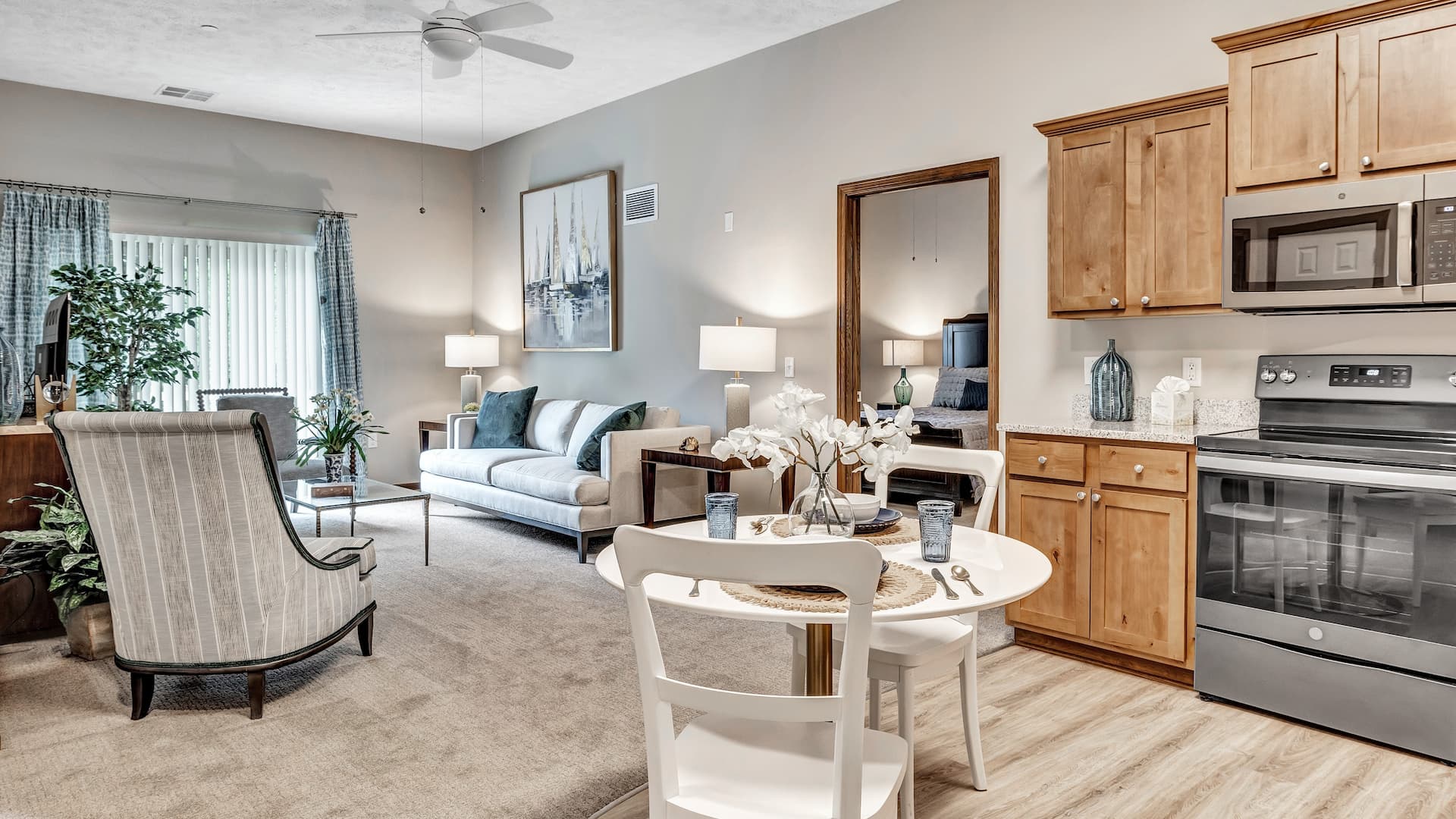
Active aging depends on feeling safe and settled in your daily life. When your home is well-maintained, has security features that suit your needs, and the support you may require is always available, you can focus on enjoying your time rather than managing repairs or logistics.
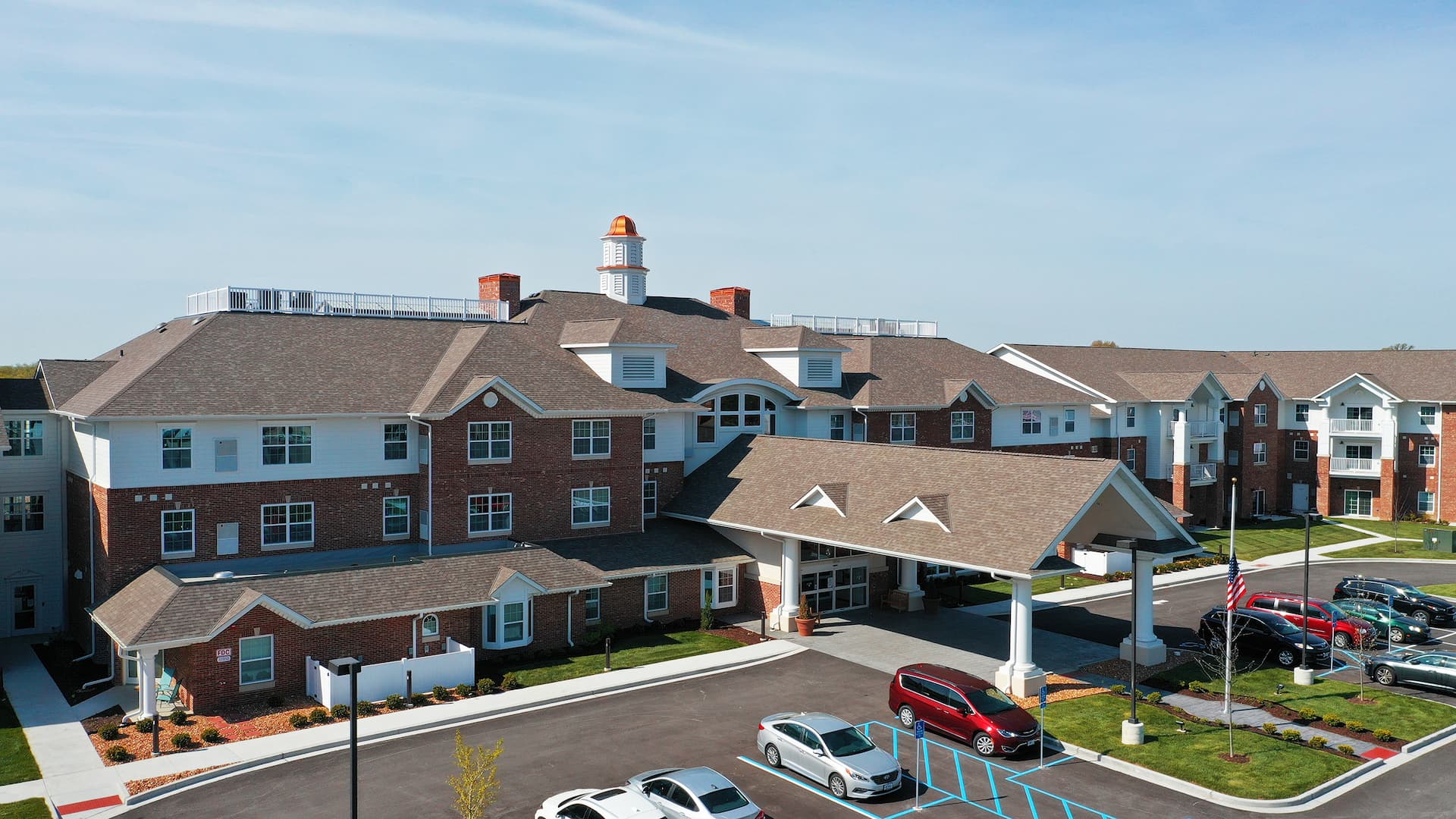
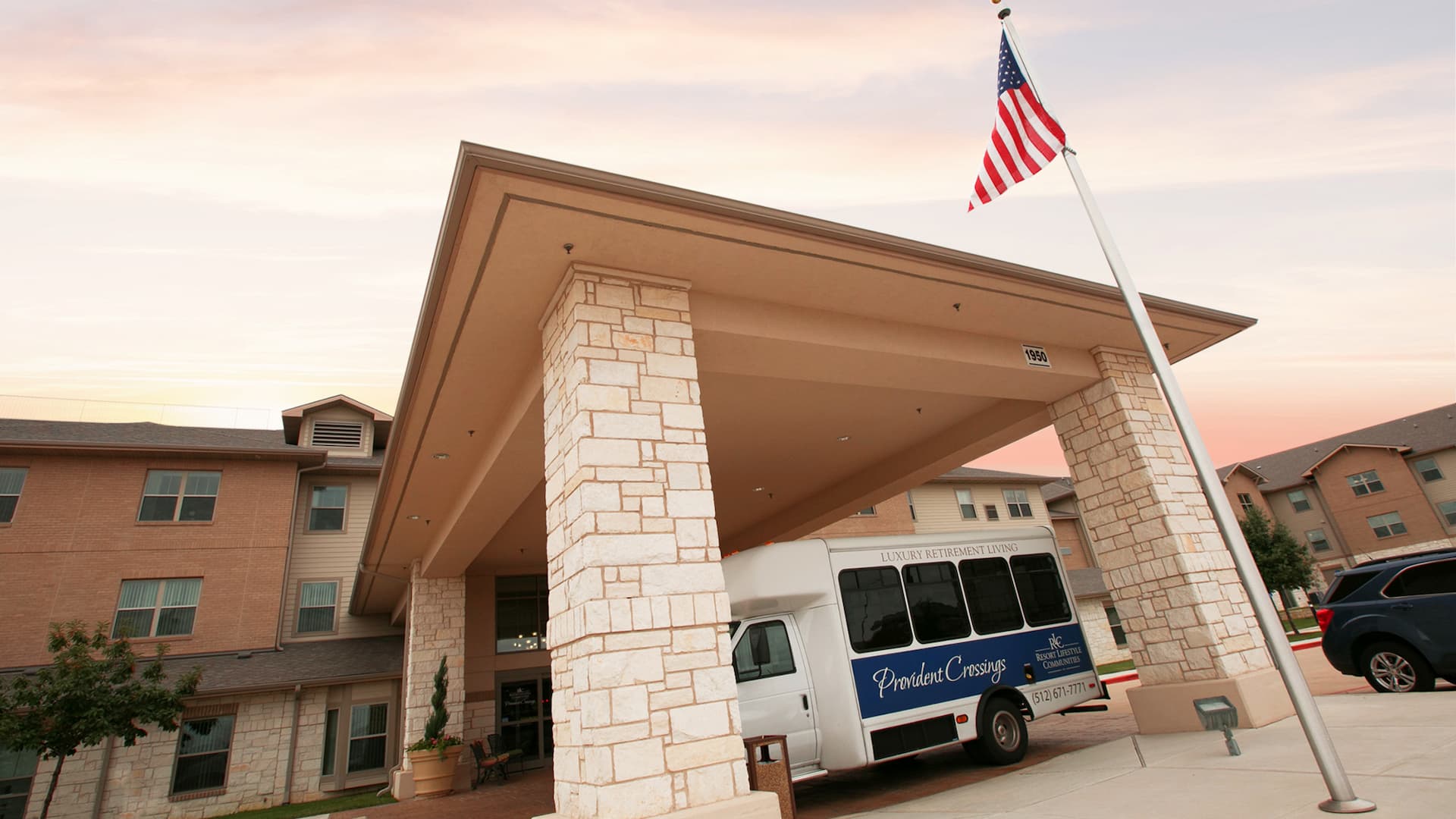
Resort Lifestyle Communities develops all-inclusive retirement living environments designed around comfort, convenience, and peace of mind. Each location includes live-in managers, 24/7 emergency response, concierge service, dining led by professional chefs, housekeeping, maintenance, and a full-time lifestyle director, all centered on your comfort and well-being.
This kind of setup strengthens day-to-day stability. When your living environment is this reliable, it’s easier to commit to new projects, keep up routines that work for you, and step into new responsibilities that are meaningful to you.
Adaptability and Personal Agency
Another dimension of active aging that ties in with the four pillars is adaptability. As it’s a biological process, we cannot avoid aging, and there are unavoidable elements that come with it. As we age, our circumstances change, priorities shift, and our interests may evolve.
Being willing to reassess and adjust allows you to respond constructively rather than feeling frightened by the inevitable changes your life will go through. The ability to be flexible also supports self-reliance in unfamiliar situations and strengthens your ability to navigate unavoidable transitions.
Active aging also includes advocacy and voice. Expressing your preferences in healthcare decisions, community matters, and personal planning reinforces your autonomy and empowers you to remain independent and take control of your life. Making informed choices, asking questions, and staying involved in decisions that affect you keeps authority in your hands.
A Practical Vision for Your Later Years
Active aging is a clear and intentional way to approach your later years. It’s a perspective that sees this stage of life as a period where your growth, good health, and active involvement really matter. The choices you make each day influence and are influenced by how steady and capable you feel, and your routines, defined goals, and regular activity all contribute to a stronger sense of direction.
Your later years can still be filled with volunteering, creative pursuits, learning new things, and meaningful relationships—it often comes down to being intentional about how you spend your time. Taking a moment to think about what matters to you and how you want your days to look can make a real difference.
Practising active aging simply means making those choices consistently, so your life remains purposeful, connected, and fully lived.