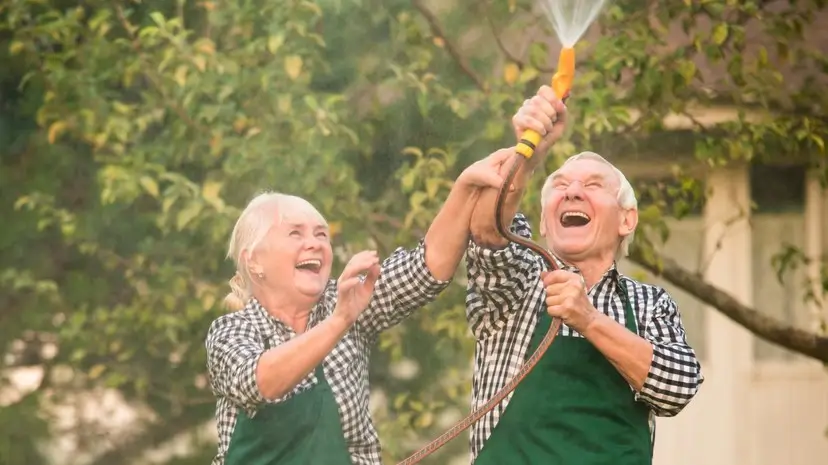
Healthy lifestyles are usually associated with physiological aspects, such as eating a proper diet and exercising. However, taking care of your cognitive health should also be a priority. The human brain is a powerful organ, and it can decline or thrive with your activities across a lifetime. To improve your cognitive health at any age, consider gardening as a resource. Indeed, this hobby has many health benefits.
Breaking Down the Science of Cognitive Health and Gardening
In a world of technology, a simple garden pulls you into the real world. That heightened sense of reality through social media, images and videos can put anyone on edge, especially senior citizens and children.
By starting a garden, there are no shortcuts to growing plants. They'll grow at their own pace. As a result, you appreciate the world around you. Without a doubt, the anticipation of waiting for a flower to bloom encourages you to learn more about plants and their growth cycles.
Additionally, physically working in a garden improves cognitive health because of the ample oxygen. For example, plants take in carbon dioxide and expel oxygen. Because there's a concentrated amount of oxygen in any garden, your body will inhale it. Scientific data over the years has shown that increased oxygen intake improves brain functionality.
Remarkably, gardening is also associated with higher serotonin levels. The body generates this feel-good hormone when it's exposed to a bacteria found in everyday soil called Mycobacterium vaccae. Scientists continue to research the relationship between good microbes and the human body. Currently, there's research being performed on commercial soils to generate better and larger crop volumes, such as work at Microbial Insights. By understanding the soil's elemental components and microbe communities, then food volumes can be controlled and improved for future cities.
Understanding Gardening's Benefits for Seniors
Many seniors have limited mobility, which creates a sedentary lifestyle. As a result, blood flow to the brain isn't as rich as before. By starting a garden, seniors get moving. For example, they till the soil, add seeds to the ground and water the area. Although these actions aren't aerobic by nature, they're still movements that bring blood to the brain for cognitive health.
Inevitably, challenges will arise. Seeds may not germinate, flowers succumb to disease and other issues may haunt the garden. These challenges are beneficial for seniors. For example, they encourage problem-solving techniques to bring the garden back to life. By making people think about their hobbies, their cognitive health improves.
Simultaneously, seniors also learn about acceptance. Life is full of challenges that might be won or lost. Indeed, life is more about dealing with chaos than controlling it. With even the best tools on hand, gardens will have imperfections. Accepting the challenges and trying to do better allows seniors to accept some losses and celebrate those small victories.
Starting Your Garden
The best way to start your garden is by beginning small. Purchase some potting soil and gardening pots, for instance. Make sure the pots have drainage holes, too. Carefully add soil and preferred seeds to the pots. Next, thoroughly water them. As a result, you have the beginning of a simple garden.
Alternatively, consider purchasing seedlings so that you have an established plant at first. As the seedlings grow, you can repot them or add them to a backyard garden. Whether you start with seeds or seedlings, the gardening benefits can help the mind.
Most importantly, always start with rich soil. Most potting soil brands come with the right mix of nutrients. Avoid tamping the soil down as you create a garden, too. Roots require air pockets to spread and absorb the gas elements.
As seniors work with their desired plants, they'll find out that some like more water than others. For example, overwatering or underwatering creates yellow leaves in most plant species. Experimenting with watering levels will reduce stress on the plants and lead to vigorous growth.
With retirement opening up many days of free time, seniors have a chance to truly take on a hobby and stick with it. Suggest gardening to your loved one today. Beginning with just a single potted plant can grow into a huge garden in the backyard.