Nursing homes have long faced scrutiny, with staffing shortages, crowded facilities, cramped living quarters, and limited independence among the most common complaints. Rather than thriving, oftentimes residents simply continue living.
However, many older adults are discovering other care options and living arrangements that can reduce or eliminate the need for nursing home care without sacrificing the independence that makes retirement enjoyable.
Learn why senior preferences have shifted away from nursing homes, what makes in-home senior care desirable, how it’s covered by insurance, and where this type of care can fall short on its own.
Why Nursing Homes Have Fallen Out of Fashion

For decades, the industry norm of senior living was the nursing home. Before senior living communities became more specialized in their niches, nursing homes were often the default option for older adults who needed additional support. They never earned a reputation for being particularly glamorous, but they served a purpose before memory care, continuing care, assisted living, and independent living communities became widely available.
Today, nursing homes are still in operation, but as the options for senior living communities grow, more seniors are choosing alternatives that better suit their needs — or just their preferences.
Today, nursing homes face a number of challenges, but the most persistent and central obstacle is funding. With a combination of low Medicaid reimbursement payouts, narrow profit margins, and growing vacancies, skilled nursing facilities are chronically short on resources.
Unfortunately, the problem doesn’t end there. Limited funding contributes to low wages, understaffing, and high turnover. As a result, this strain unfortunately extends to seniors. Within these facilities, residents experience high rates of serious health events, isolation, and abuse.
What's Next?
The issues facing nursing homes are far from internal flaws that can be patched over and ignored; the industry is actively shifting in response to the deficiencies of nursing homes. From 2023 to 2024, the number of Medicare-certified skilled nursing facilities dropped by 3.8%, accounting for roughly 188 facilities closing their doors. And to further catalyze this change, two major factors are coming into play.
Baby boomers are aging into the senior living consumer demographic and shaping the industry with their preferences. As a generation accustomed to greater consumer choice, many baby boomers expect more flexibility, comfort, and independence in retirement than previous generations did.
At the same time, more seniors are becoming increasingly familiar with the concept of ‘aging in place.’ In this approach to wellness, seniors use healthcare services that come to them, allowing them to age within familiar surroundings. For many, that option is more appealing than moving into a nursing facility.
Between changing attitudes toward aging and a growing infrastructure that supports greater autonomy, it’s no surprise that the future of senior living looks more independent.
The Benefits of In-Home Senior Care
Unlike traditional models of healthcare, patients of in-home care are not required to go outside their home to access support. For seniors, this means not having to uproot their lives to a new type of community every time needs change. In-home senior care brings support directly to the residence, allowing older adults to receive assistance while maintaining the lifestyle they enjoy.
Depending on the provider and level of need, services may include:
-
Skilled nursing
-
Physical therapy
-
Medication management
-
Personal care
-
Meal preparation
-
Companionship
-
Transportation
-
Light housekeeping
However, there is a divide in the types of services provided by in-home senior care, and it greatly impacts cost and how much of the care is covered by insurance. Home healthcare involves medical services provided by nurses, therapists, or other licensed professionals. Non-medical home care helps with daily activities such as bathing, dressing, meal preparation, errands, and other services that aren’t medically necessary. It’s important to know which services fall into which category to prevent any unexpected expenses.
Common benefits of in-home senior care include:
-
Greater independence: Familiar routines can be maintained while receiving needed support.
-
Personalized assistance: Care can be tailored to specific medical, mobility, and lifestyle needs.
-
Added convenience: Receiving care at home can reduce the need for frequent travel to appointments and services.
-
Flexible support: Assistance can range from occasional visits to ongoing care as needs change.
-
Comfort and familiarity: Support is delivered in familiar surroundings, whether in a private residence or an independent senior living community.
The greatest benefit of in-home senior care may be its flexibility. While older adults often begin receiving care in a private house, that care can follow them if their living arrangements change.
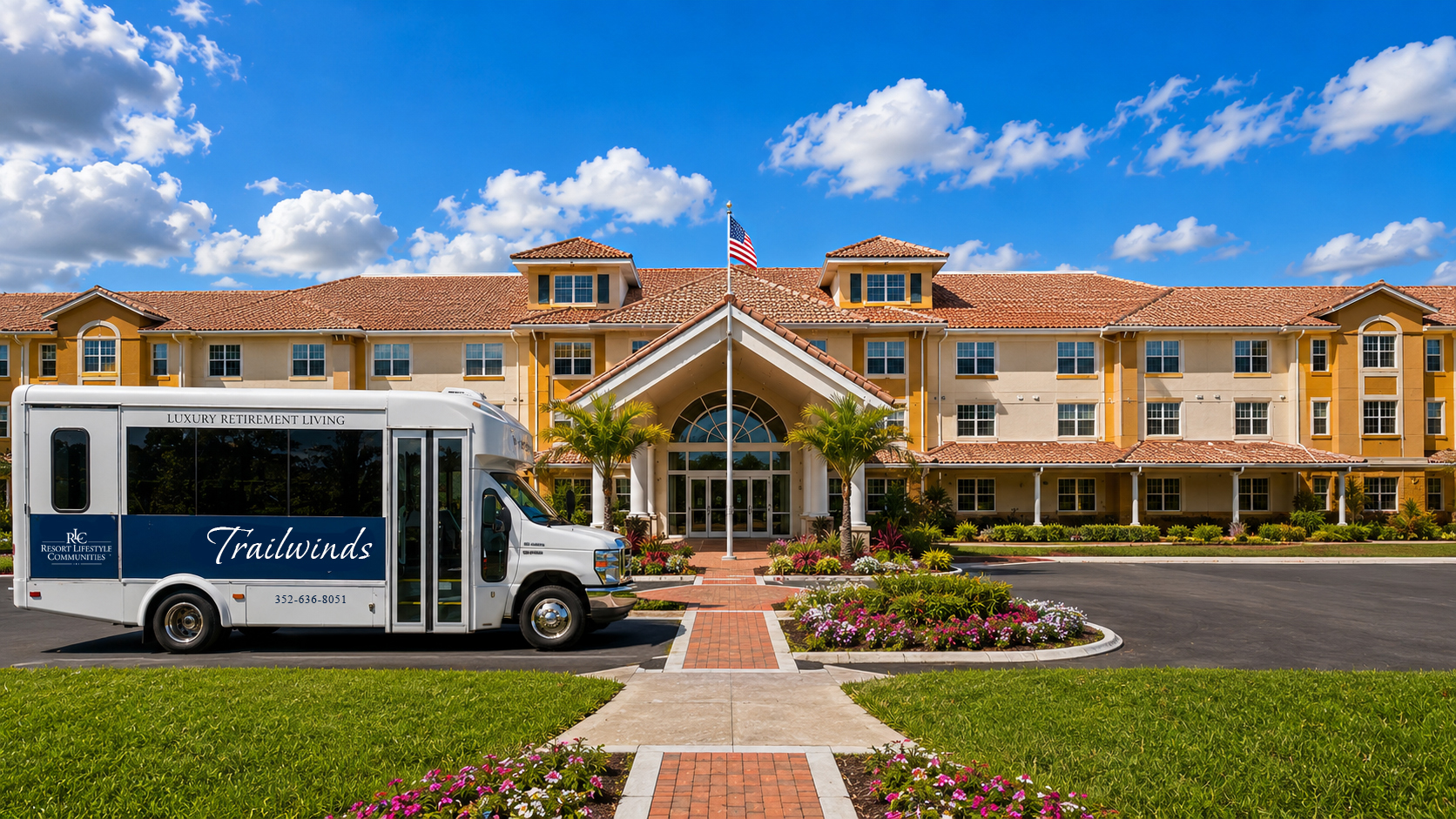
Older adults may also pair home care services with an independent living community. At Resort Lifestyle Communities, every one of our communities has an in-home care partner. This allows seniors the benefits of independent community living with the perks of having access to greater medical care right at home.
Does Medicaid Cover In-Home Care?
Financial concerns are often among the first questions that arise when families consider long-term in-home senior care:
-
How much does in-home senior care cost?
-
Does Medicaid cover in-home care?
-
Which insurance plans cover these services?
Several funding options may help older adults age in place. Medicaid is one of the most common, although state residency, financial circumstances, health status, and level of need can all affect eligibility and coverage.
Through Home and Community-Based Services (HCBS) programs, Medicaid can help eligible older adults and people with disabilities receive care in their homes or communities rather than in clinical settings. Depending on the state and program, the range of covered services is broad and highly variable, including medical to possibly non-medical and homemaking services.
Applicants must typically meet both financial and functional eligibility requirements to qualify for coverage. Some programs also have enrollment limits or waiting lists. Services that are available in one state may not be covered in another because states have considerable flexibility in designing their Medicaid HCBS programs.
Seniors, or those planning for an older family member, should contact their state Medicaid office to learn which programs are available, what services they cover, and whether waiting periods apply.
Does Medicare Cover In-Home Care?
While Medicaid can be quite helpful in affording in-home senior care, Medicare also covers certain home health services, but its coverage is a bit narrower and more dependent on the individual’s health circumstances.
To qualify, a person generally must be homebound, require part-time or intermittent skilled care, have a physician order the care, and receive services through a Medicare-certified home health agency. Covered services may include skilled nursing, physical therapy, occupational therapy, speech-language pathology, medical social services, medical supplies, and limited home health aide assistance when the person is also receiving qualifying skilled care.
Medicare generally does not cover:
-
Around-the-clock care at home
-
Home-delivered meals
-
Shopping, cleaning, or other homemaker services
-
Custodial or personal care isolated from a relevant care plan
The difference between what Medicare and Medicaid cover can be surprising for many seniors and families. Medicare may cover a visiting nurse or therapist when a medical need is present, but it usually will not pay for ongoing assistance with cooking, cleaning, companionship, bathing, or dressing, especially when no skilled care is required. That said, seniors with persistent, chronic medical challenges may indeed access ongoing, in-home care through Medicare, though this is achieved by renewing intermittent plans.
Unfortunately, there’s no easy way to reliably assess Medicare eligibility for home-based care online. Reach out to Medicare.gov to get more information on your specific situation. Coverage can also vary for people enrolled in Medicare Advantage plans, so individuals should review their plan documents or contact Medicare directly before arranging services.
Other Notes on Affording In-Home Senior Care
While Medicaid may be helpful for many lower income seniors, and Medicare can be useful in certain instances of medical necessity, many seniors may not find either option to be applicable to their situation. Still, in-home senior care for an extended or indefinite period can be expensive. Thankfully, there are other options for offsetting these costs. Some of the most popular options include:
-
Long-Term Care (LTC) Insurance
-
LTC plans often cover in-home senior care services, sometimes extending to non-medical services.
-
VA Benefits
-
Through VA benefits, veterans have access to a wide variety of programs that can help pay for in-home care, including the VA Aid & Attendance benefit, the Homemaker / Home Health Aide program, the Veteran-Directed Care plan, and the Geriatrics & Extended Care services.
Blind Spots: What In-Home Senior Care Misses

Having health care delivered to a residence can be highly convenient. It may also reduce the transportation challenges associated with traveling to and from medical appointments. However, in-home care has its limits.
Medical care alone doesn’t necessarily address an older adult’s social or emotional well-being. In-home care providers may also be limited in the amount or type of support they can provide. This type of care should be one piece of a larger support system; relying on it as the sole source of long-term support may leave important needs unmet.
It’s also helpful to reconsider what ‘in-home’ means. The term simply refers to care that comes to the individual. It doesn’t have to be delivered in a private house. In fact, in-home care can be paired with an independent retirement community. In this arrangement, a visiting care provider can help support residents’ physical health, while the community environment provides opportunities for friendships, activities, and social connection.
Social well-being is an important part of healthy aging. As studies have shown, having friends can have a real impact on physical wellness and help reduce the risk for serious medical challenges like heart disease, diabetes, dementia, and more. To really care , keeping a healthy social life is a vital step.
In-home care may also be limited in its ability to handle the work involved in maintaining a house. Non-medical services like light housekeeping are not usually covered by Medicare unless special circumstances are met, while Medicaid varies by state and individual circumstances. Still, most families end up paying out of pocket for these non-medical services. Most of the time, seniors end up needing to pay another company to work around the house — make that another for any regular yardwork that needs done, and so on. But continuing this path could lead to a situation where a senior needs to pay for five or more different services just to stay at home.
At Resort Lifestyle Communities, we pick up where in-home senior care leaves off; we serve as the other piece of the puzzle. We take care of the dining, housekeeping, and maintenance, ensuring our residents don’t have to worry about the little details of upkeep. Instead, they get to focus on developing new friendships, exploring new hobbies, and enjoying retirement as it’s meant to be. Additionally, our communities have in-house care partners, should residents wish to use their services, but we also let residents use any care partner of their choice.*
*Additional support is voluntary and arranged through third-party providers. Costs associated with these services are additional and not billed through Resort Lifestyle Communities.
Nursing Home Popularity Is Declining. What's Come to Replace Them?

The situation is clear: Traditional nursing homes are struggling to meet the expectations of many of today’s older adults. Even as demand for senior living is expected to increase with the aging baby boomer generation, skilled nursing facilities continue to face closures and persistent operational challenges.
However, this shift also brings encouraging news for today’s older adults and future generations. Senior living is increasingly guided by independence and autonomy, with in-home care, aging in place, and independent living communities helping define the industry’s direction.
Tight living spaces, strict schedules, and limited independence are no longer the only options. Older adults can receive needed care where they live, including within an independent senior living community. They can continue pursuing their interests, developing friendships, and beginning new chapters on their own terms. It’s aging — and thriving — in place.