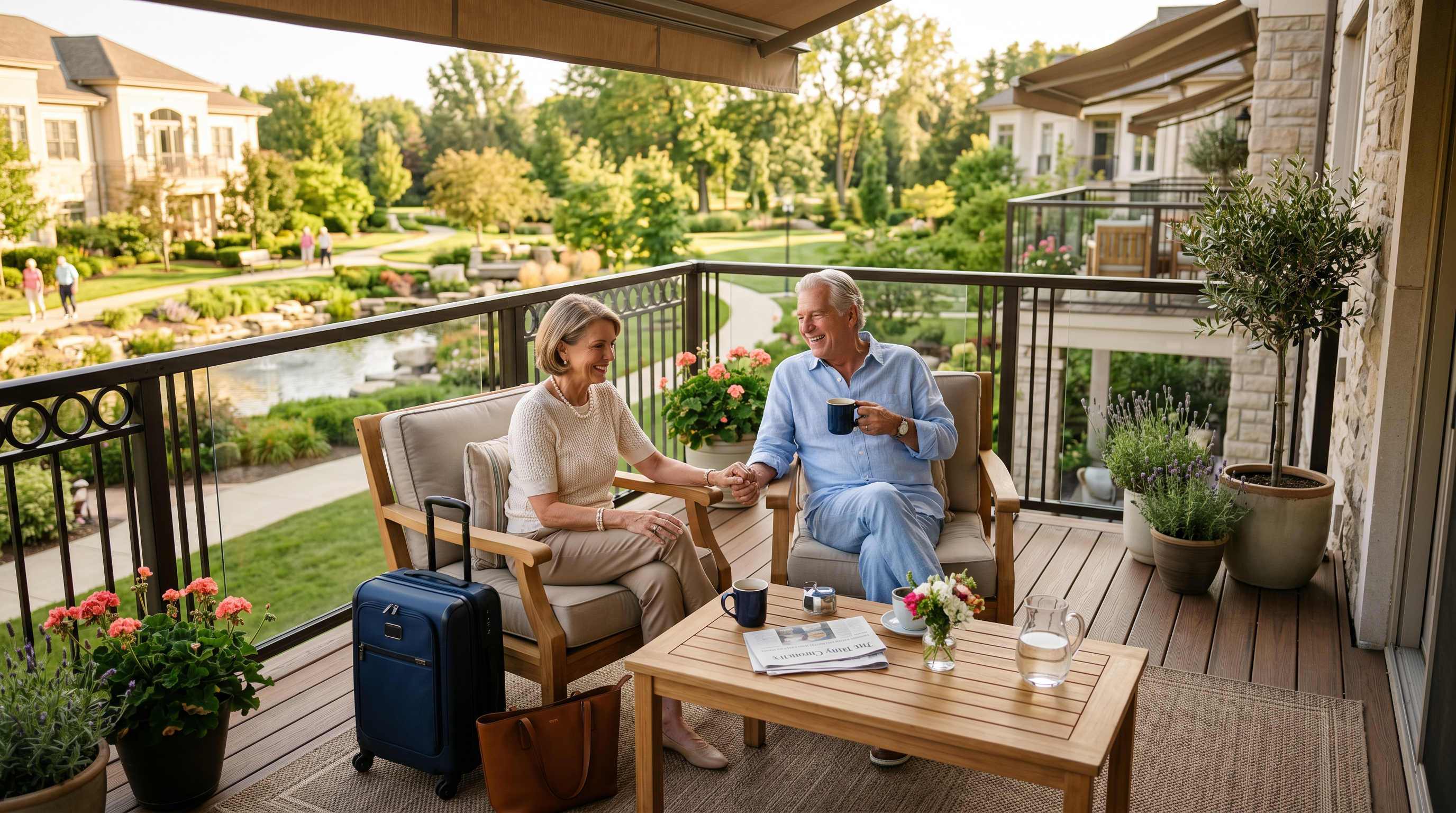
For many people, owning a home has long been tied to stability. It can represent hard work, independence, and the comfort of having a place that is truly your own. A home often holds years of memories and a deep sense of familiarity. It may have been the backdrop for holidays, milestones, and everyday life. Because of that, the idea of renting in retirement can sometimes feel unfamiliar at first.
But retirement often brings a different kind of question. Not simply what you own, but how you want to live now. For many older adults, flexibility begins to matter in new and meaningful ways.
When Priorities Begin to Shift
There is a season of life when responsibilities naturally start to feel different. The tasks that once felt manageable may feel less rewarding. The upkeep that once brought pride may now ask for more time and energy than it gives back. That does not mean anything is wrong. It simply means priorities evolve.
Many people begin to value freedom over square footage. Simplicity over storage. Time over maintenance. Retirement can be an opportunity to reconsider what supports your life today, rather than what made sense years ago.
Ownership Comes With Ongoing Responsibility
Owning a home offers many benefits, but it also comes with constant obligations. Repairs do not wait for the right moment. Property taxes change. Utility costs rise and fall. Seasonal maintenance returns year after year.
Even when everything is manageable, there is often a steady layer of planning behind the scenes. Scheduling service appointments. Monitoring expenses. Keeping up with tasks that never seem fully finished.
For some, those responsibilities remain worthwhile. For others, they begin to feel less essential than they once did. That shift is often where conversations around flexibility begin.
Renting Can Create Room to Live Differently
Renting in retirement is not about settling for less. In many cases, it is about choosing differently. Without the long-term responsibilities tied to ownership, many people discover a greater sense of ease. There is less concern about repairs. Less uncertainty around unexpected home costs. Less time spent coordinating the practical details of living. That space can be redirected toward the things that feel more meaningful now. Travel. Family visits. Personal interests. A slower morning. A fuller social life.
In communities designed around an independent living lifestyle, renting often becomes part of a broader choice to simplify and focus on what matters most.
Flexibility Has Real Value
Flexibility can mean different things to different people. For some, it means not being tied to the responsibilities of a house. For others, it means having the freedom to relocate closer to family, try a new environment, or choose a lifestyle that better reflects their current priorities.
It can also mean financial flexibility. When monthly living expenses are more predictable, planning often feels easier. Many older adults find comfort in the same sense of clarity explored in what financial peace means in retirement living, where fewer variables create more peace of mind.
Flexibility is not always dramatic. Often, it is simply the freedom to adapt when life changes.
A Home Can Still Feel Like Home
Sometimes the hesitation around renting has less to do with money and more to do with identity. Will it still feel personal? Will it still feel rooted? Will it still feel like home? For many people, the answer is yes.
Home is not only ownership papers or square footage. It is comfort. Routine. Familiar faces. A sense of belonging. That is why many people begin to rethink the meaning of home itself, much like those who discover in Home Away From Home…or Just Home? Rethinking Retirement Living that home can continue to evolve.
Less Maintenance, More Possibility
One of the greatest advantages of renting in retirement is what it removes. When maintenance, housekeeping, dining, and everyday conveniences are thoughtfully built into daily life, there is simply more room to enjoy your time. You can see how daily services and amenities help support a lifestyle where the practical details no longer take center stage.
That does not mean life becomes smaller. Often, it becomes wider. There is more energy for connection, hobbies, movement, and the kind of experiences that once had to wait until chores were finished.
Choosing What Fits Now
Owning a home may have been the right decision for many years. That can be true while something different becomes right now. Retirement is not a time to cling to old definitions if they no longer serve your present life. It can be a time to choose based on current values, current priorities, and the kind of days you want to enjoy moving forward.
For some, that still means ownership. For others, it means embracing flexibility. Both can be valid. The key is choosing what aligns with the life you want today.
Where Freedom Becomes Clearer
The conversation around owning versus renting is rarely only about real estate. It is often about freedom. Freedom from constant upkeep. Freedom to adjust when life changes. Freedom to spend more time on what matters and less time managing what no longer does.
For many people, that realization begins with simply exploring communities designed around independence, ease, and flexibility. In retirement, flexibility often becomes less about giving something up and more about creating space for the life you want to live now.