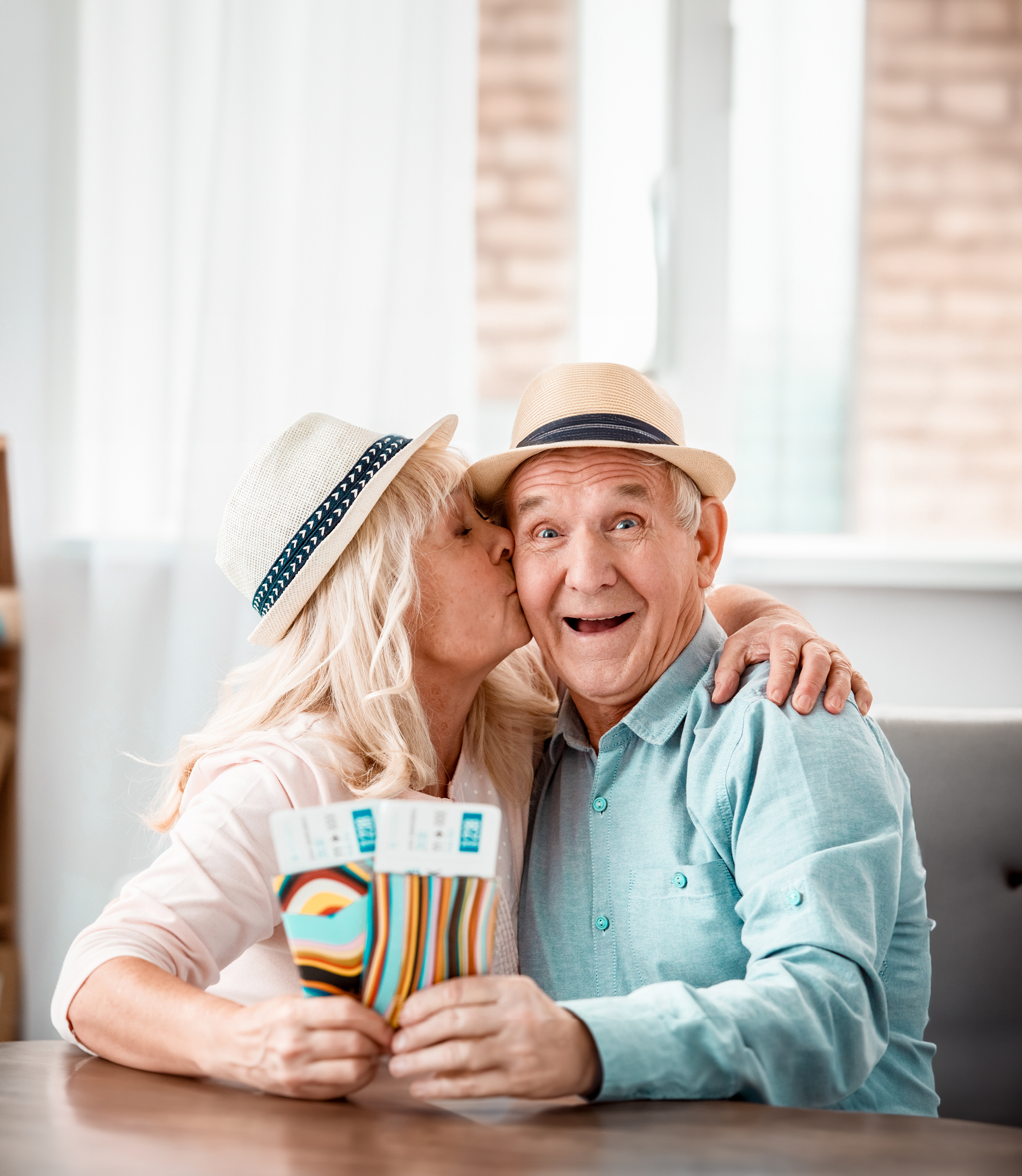
For generations, retirement was often viewed through a narrow lens. A time to slow down. Step back. Simplify life in smaller and quieter ways. But today, a different picture is emerging.
People are living longer, staying active longer, and redefining what these years can look like. They are traveling, learning, building relationships, exploring interests, and continuing to shape meaningful lives well into retirement.
This shift has become so significant that economists and researchers now refer to it as the “Longevity Economy.” And it is changing far more than retirement itself. It is reshaping how people want to live.
What the Longevity Economy Really Means
At its core, the Longevity Economy reflects a simple reality: Older adults are continuing to live full, engaged, and influential lives for much longer periods of time.
This stage of life is no longer defined only by stepping away from work or settling into routine. Increasingly, it is becoming a chapter centered around flexibility, fulfillment, connection, and personal choice.
That shift changes expectations. People are no longer simply looking for a place to live. They are looking for environments that support how they want to spend their time, energy, and attention moving forward. In many ways, retirement living is evolving alongside that mindset.
A Lifestyle Built Around Living Well
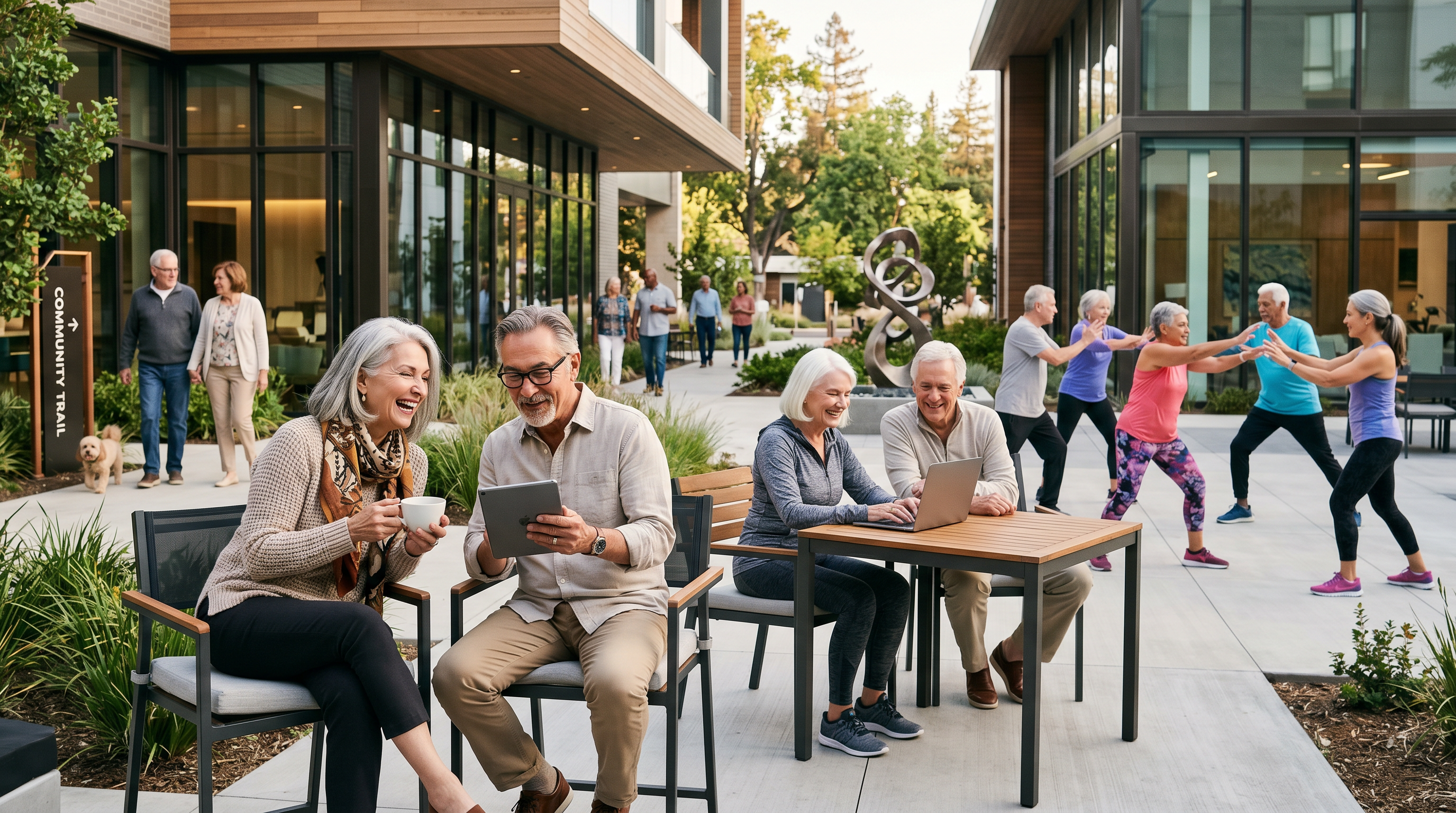
The Longevity Economy is not built around slowing life down. It is built around supporting people who still want to engage with life in meaningful ways. That might mean staying socially connected. Continuing to learn. Traveling more freely. Having the time and energy to focus on personal interests rather than daily responsibilities.
At Resort Lifestyle Communities, that understanding shapes the way daily life is designed.
An independent living lifestyle is not centered around limitation or care-driven structure. It is centered around freedom, flexibility, and the ability to continue living life on your own terms. Meals are thoughtfully prepared. Housekeeping is handled. Transportation and daily conveniences are already part of the experience. Not to make life smaller, but to create more room for living.
Why Simplicity Has Become So Valuable
One of the defining characteristics of the Longevity Economy is a growing focus on quality of life. People increasingly value experiences over upkeep. Time over obligation. Simplicity over constant maintenance. That shift is changing the role housing plays in retirement.
For many older adults, homeownership no longer represents the same kind of freedom it once did. The responsibilities tied to maintaining a home can begin to compete with the lifestyle they actually want. That is why many people are rethinking what flexibility looks like in this stage of life.
In an all-inclusive setting, life often becomes easier to navigate. Predictable monthly expenses, fewer day-to-day responsibilities, and built-in opportunities for connection all contribute to a greater sense of ease.
Connection Matters More Than Ever
The Longevity Economy is not only changing how people live. It is changing what people prioritize. Connection has become increasingly important. Not simply social activity for the sake of staying busy, but genuine opportunities to engage with others in meaningful ways.
Shared meals. Familiar faces. Conversations that happen naturally throughout the day. These experiences contribute to something deeper than convenience. They support emotional well-being, purpose, and even cognitive engagement over time.
In communities where connection is built into daily life, engagement tends to happen more naturally.
Retirement Living Is Becoming More Personalized
Another major shift within the Longevity Economy is personalization. People want flexibility. They want choice. They want environments that adapt to their lifestyle rather than asking them to fit into rigid structures. That is one reason independent living communities continue to evolve.
At Resort Lifestyle Communities, residents are not moving into a highly structured or clinical environment. They are choosing a lifestyle that supports independence while simplifying the responsibilities that once demanded so much time and energy.
That distinction matters. Because today’s retirees are not looking to hand over control of their lives. They are looking for ways to continue living fully, while letting go of the parts of life that no longer feel meaningful.
A Different Definition of Retirement
The Longevity Economy is also reshaping the emotional side of retirement. Retirement is no longer viewed as an ending. Increasingly, it is seen as an opportunity to live with greater intention. That might mean focusing more on relationships. Prioritizing health and well-being. Exploring interests that were once pushed aside during busier years.
For many people, the right environment makes that shift easier. When the practical details of life become simpler, there is often more room for curiosity, spontaneity, and connection. In many ways, it reflects the same evolution, in which lifestyle becomes less about maintenance and more about how life actually feels each day.
Where the Future of Retirement Living Is Heading
The Longevity Economy is not a trend. It reflects a broader shift in how people are choosing to live as they age. Longer lives are creating new expectations around independence, flexibility, and quality of life.
Retirement living is evolving in response to that shift, moving away from outdated assumptions and toward lifestyles that feel more active, connected, and personally meaningful. For many people, that journey begins with simply exploring communities designed around independence, simplicity, and everyday ease.
Because the future of retirement living is not about stepping away from life. It is about creating more room to keep living it well.